
Benzodiazepines and Opioids: Why This Combination Causes Life-Threatening Respiratory Depression
 Jul, 7 2026
Benzodiazepine & Opioid Risk Calculator
Patient Factors
Assessment Results
Enter details to see risk assessment.
The Synergistic Effect: Why 1 + 1 > 2
Visualizing the data from Sun et al. (2018) showing minute ventilation reduction.
Alone
Alone
Synergy
You might think that taking a painkiller for your back hurts less if you also take something to calm your nerves. It sounds logical on the surface: one drug handles the pain, the other handles the anxiety or insomnia. But this combination is not just risky; it is potentially fatal. When benzodiazepines are combined with opioids, they create a synergistic effect that suppresses breathing far more than either drug would alone. This phenomenon, known as life-threatening respiratory depression, is a leading cause of accidental overdose deaths.
The danger isn't theoretical. According to data from the Centers for Disease Control and Prevention (CDC), benzodiazepines were present in approximately 16% of opioid overdose deaths in recent years. The Food and Drug Administration (FDA) issued a black box warning-their strongest safety alert-in 2016, explicitly stating that combining these two classes of drugs increases the risk of profound sedation, coma, and death. Understanding why this happens, how to spot the signs, and what alternatives exist is critical for anyone prescribed these medications.
How the Brain Controls Breathing
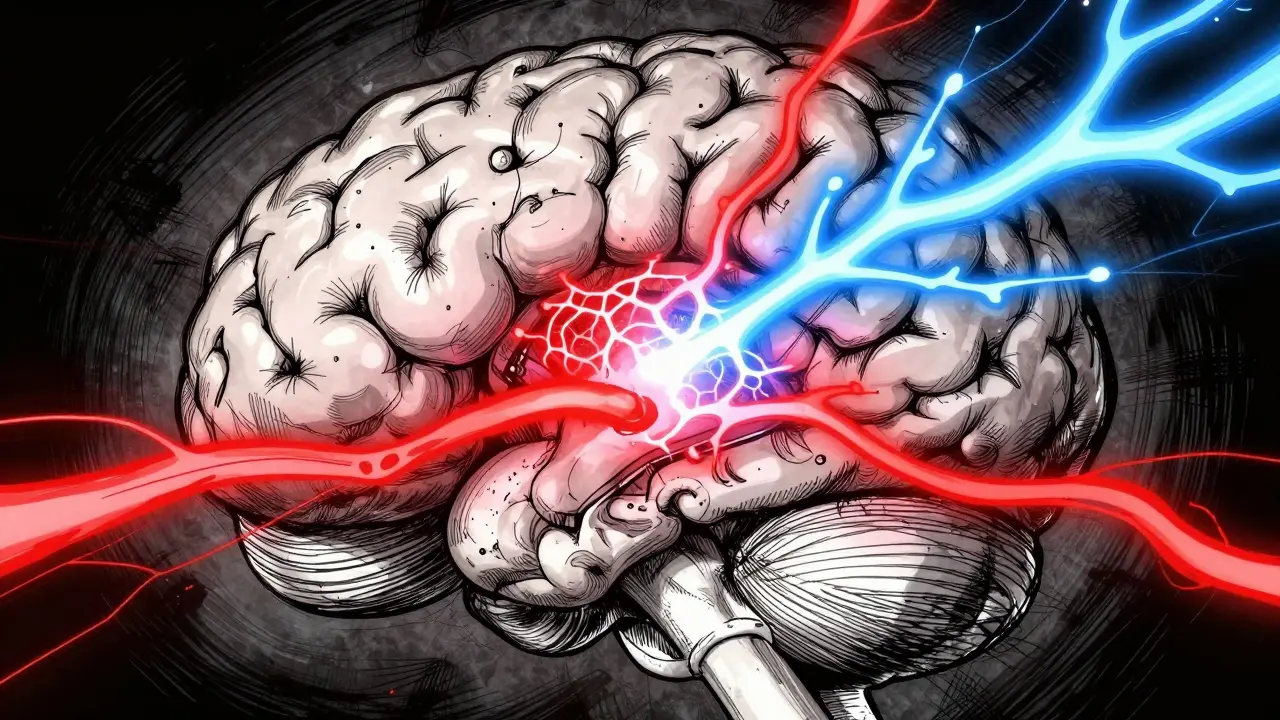
To understand why this combination is so dangerous, we first need to look at how your body manages breathing without you thinking about it. Your brainstem contains specific networks of neurons that act as an automatic pacemaker for respiration. Two key areas are involved here: the preBötzinger Complex and the Kölliker-Fuse/Parabrachial complex.
The preBötzinger Complex acts as the core inspiratory rhythm generator-it tells your lungs when to inhale. The Kölliker-Fuse/Parabhical complex helps regulate expiration and the transition between breaths. Under normal conditions, these areas work in perfect harmony to maintain a steady respiratory rate. However, both of these regions are highly sensitive to chemicals that depress the central nervous system.
- PreBötzinger Complex: Generates the signal to breathe in (inspiration).
- Kölliker-Fuse/Parabrachial Complex: Regulates the duration of exhalation and prevents apnea (pauses in breathing).
When drugs interfere with these specific neuronal circuits, the automatic drive to breathe slows down or stops entirely. This is the mechanism behind respiratory depression.
The Dual-Pathway Assault on Respiration
Opioids and benzodiazepines attack the respiratory system through different but complementary pathways. Think of it like turning off the lights in a house by pulling two different circuit breakers simultaneously. If you pull one breaker, some lights go out. If you pull both, the whole house goes dark.
Opioids primarily work by activating mu-opioid receptors (MORs) in the brainstem. Research published in studies such as those by Montandon et al. shows that opioids cause hyperpolarization in the preBötzinger Complex neurons. In simpler terms, opioids make it harder for these neurons to fire, slowing down the inspiration phase. They also enhance tonic expiratory drive in the Kölliker-Fuse area, leading to prolonged expiration and eventually apnea.
Benzodiazepines, on the other hand, work by enhancing GABAergic inhibition. GABA is the primary inhibitory neurotransmitter in the brain. By boosting GABA activity, benzodiazepines calm neural firing across the entire central nervous system, including the respiratory centers mentioned above.
When taken together, the result is not just additive (1 + 1 = 2); it is synergistic (1 + 1 = 5). A 2018 study by Sun et al. demonstrated this clearly. In their research, the combination of fentanyl (an opioid) and midazolam (a benzodiazepine) reduced minute ventilation by 78%. In contrast, fentanyl alone reduced it by 45%, and midazolam alone by only 28%. That massive jump in suppression is what turns a manageable side effect into a life-threatening emergency.
| Drug Class | Primary Mechanism | Effect on Respiration Alone | Synergistic Risk with Combination |
|---|---|---|---|
| Opioids | Mu-opioid receptor activation | Slows inspiration rate | High |
| Benzodiazepines | GABA-A receptor enhancement | Mild sedation, minimal respiratory change | High |
| Combined | Dual-pathway suppression | Profound depression/apnea | Critical/Fatal |
Who Is Most at Risk?
While any patient prescribed both medications faces increased risk, certain groups are statistically more vulnerable. The CDC reports that individuals aged 45-64 have some of the highest rates of overdose involving this combination. Other factors that amplify the danger include:
- Sleep Apnea: Patients with untreated obstructive sleep apnea already struggle with airway collapse during sleep. Adding CNS depressants can be catastrophic.
- Elderly Patients: Older adults metabolize drugs more slowly, leading to higher accumulation in the bloodstream.
- High Dosages: Higher doses of either medication exponentially increase the risk of respiratory arrest.
- Concurrent Alcohol Use: Alcohol is another CNS depressant that further compounds the suppression of breathing.
It is also important to note that tolerance plays a role. A person who has been taking opioids for chronic pain may tolerate high doses without significant respiratory issues because their brain has adapted. However, adding a benzodiazepine introduces a new pathway of suppression that the body has no tolerance for, suddenly tipping the balance toward overdose.
Recognizing the Signs of Respiratory Depression
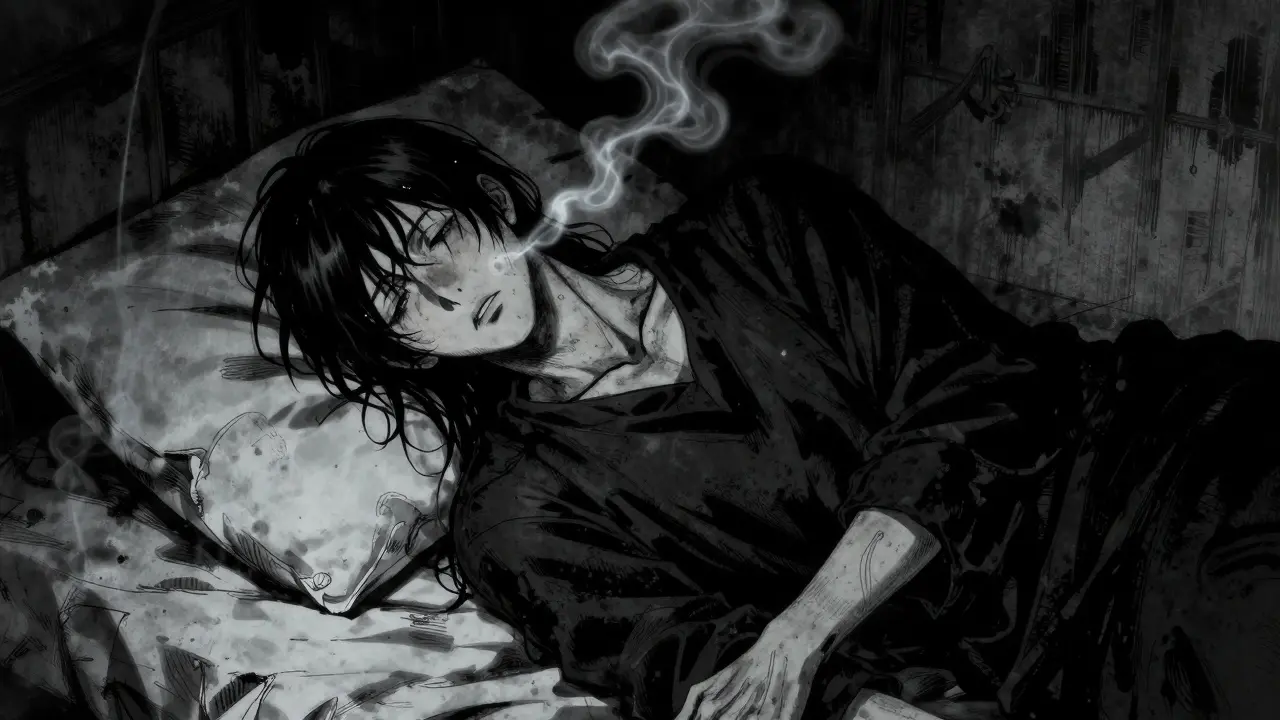
Respiratory depression doesn't always happen instantly. It can develop gradually, especially if someone takes medication before bed. Knowing the warning signs can save a life. You should seek immediate medical attention if you or someone else experiences:
- Slow Breathing Rate: Fewer than 12 breaths per minute is considered bradypnea (abnormally slow breathing).
- Shallow Breathing: Chest movement is barely visible, and breaths are weak.
- Extreme Drowsiness: Difficulty staying awake, slurred speech, or confusion.
- Pinpoint Pupils: A classic sign of opioid involvement, where pupils become very small.
- Blue or Gray Skin Tone: Cyanosis indicates that blood is not getting enough oxygen.
If you suspect an overdose, call emergency services immediately. Do not wait to see if the person "sleeps it off." Time is critical because prolonged lack of oxygen can lead to brain damage or cardiac arrest.
Safer Alternatives and Management Strategies
Given the severe risks, medical guidelines strongly advise against prescribing benzodiazepines and opioids concurrently whenever possible. The CDC Guideline for Prescribing Opioids for Chronic Pain recommends avoiding this combination. If both are absolutely necessary, clinicians must use the lowest effective doses for the shortest duration.
Fortunately, there are safer alternatives for managing the underlying conditions that often lead to this prescription pairing.
For Anxiety and Insomnia
Instead of benzodiazepines, doctors may prescribe non-benzodiazepine anxiolytics. Options include:
- Buspirone: An anti-anxiety medication that does not carry the same risk of respiratory depression or dependence.
- SSRIs/SNRIs: Selective serotonin reuptake inhibitors (like sertraline) or serotonin-norepinephrine reuptake inhibitors (like venlafaxine) are first-line treatments for generalized anxiety disorder.
- Cognitive Behavioral Therapy (CBT): Particularly CBT for insomnia (CBT-I), which addresses the root causes of sleep issues without medication.
For Pain Management
For patients requiring benzodiazepines for muscle spasms or anxiety, alternative pain management strategies can reduce the need for opioids:
- NSAIDs: Non-steroidal anti-inflammatory drugs like ibuprofen or naproxen.
- Physical Therapy: Targeted exercises to improve mobility and reduce pain.
- Nerve Blocks: Localized injections to interrupt pain signals.

The Role of Naloxone and Reversal Agents
Naloxone (Narcan) is a life-saving medication that can reverse opioid-induced respiratory depression. It works by blocking mu-opioid receptors, rapidly restoring breathing in many cases. However, naloxone has no effect on benzodiazepine-induced respiratory depression.
This creates a complex clinical scenario. If a patient overdoses on both drugs, naloxone may partially restore breathing by reversing the opioid component, but the benzodiazepine's GABAergic suppression remains active. This means the patient may still require mechanical ventilation or additional supportive care. Researchers are currently exploring bifunctional reversal agents that could address both mechanisms, but as of now, prevention remains the best strategy.
Public Health Initiatives and Monitoring
Efforts to curb this crisis are underway at multiple levels. The SUPPORT for Patients and Communities Act, signed into law in 2018, requires Medicare Part D plans to implement drug utilization review programs that flag high-risk combinations. Additionally, Prescription Drug Monitoring Programs (PDMPs) in many states now alert prescribers when they attempt to co-prescribe opioids and benzodiazepines.
Despite these measures, the National Safety Council reports that fatality rates from combined overdoses have risen dramatically over the last two decades. This highlights the importance of individual vigilance. Patients must have open conversations with their healthcare providers about all medications they are taking, including over-the-counter sleep aids and alcohol.
Can I take Xanax and hydrocodone together if my doctor says it's okay?
Even if a doctor prescribes both, the risk of respiratory depression remains significantly elevated. The FDA black box warning applies to all concurrent use. If your doctor prescribes both, ensure they are using the lowest possible doses and monitoring you closely. Never exceed the prescribed amount, and avoid alcohol completely.
What are the symptoms of mild respiratory depression?
Early signs include excessive drowsiness, difficulty concentrating, slurred speech, and a slower-than-normal breathing rate. You might feel unusually warm or flushed. These are warning signs that your central nervous system is being overly suppressed, and you should stop taking the medication and seek medical advice immediately.
Does naloxone work for benzodiazepine overdoses?
No, naloxone only reverses the effects of opioids. It does not counteract benzodiazepines. In a mixed overdose, naloxone may help partially, but the benzodiazepine component will still suppress breathing, potentially requiring hospital care and mechanical ventilation.
Are there safe alternatives to benzodiazepines for anxiety while on opioids?
Yes. Buspirone is a common non-addictive alternative for anxiety. SSRIs like sertraline or escitalopram are also widely used and do not interact dangerously with opioids regarding respiratory function. Cognitive behavioral therapy is another highly effective, drug-free option.
Why is the combination worse than just taking more opioids?
The combination is synergistic, meaning the total effect is greater than the sum of its parts. Opioids target mu-receptors, while benzodiazepines target GABA receptors. Together, they shut down multiple pathways in the brainstem responsible for breathing, leading to a much deeper and faster suppression of respiration than increasing the dose of either drug alone.