
Blood Pressure Medications: Types, Side Effects, and Safety Guide
 Jul, 4 2026
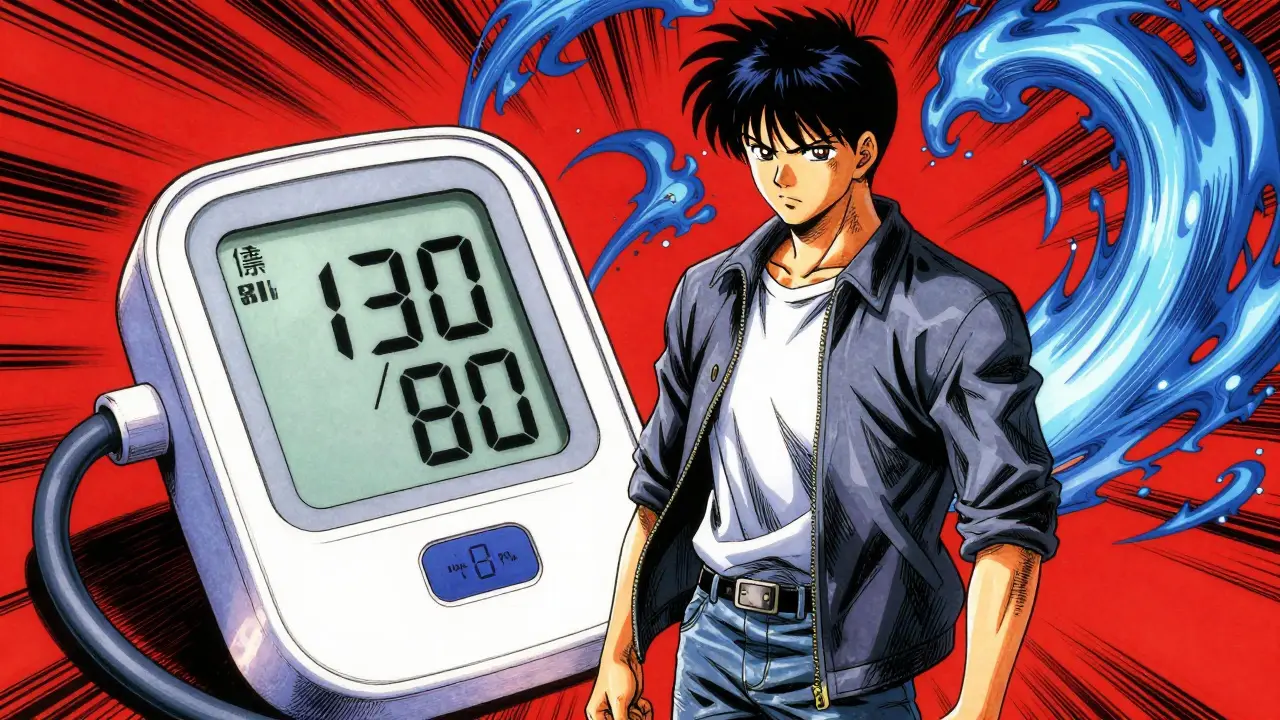
Your blood pressure numbers might look fine on paper, but if they’re consistently above 130/80 mmHg, you’re in the danger zone. High blood pressure, or hypertension, is often called the "silent killer" because it rarely shows symptoms until significant damage has been done to your heart, kidneys, or brain. According to the American Heart Association, about half of all adults in the United States have this condition. The good news? Modern medicine has a powerful arsenal to fight back. But with over ten different classes of drugs available, choosing the right one isn’t just about lowering the numbers-it’s about finding a medication that fits your life without causing more problems than it solves.
Navigating the world of antihypertensive drugs can feel overwhelming. You’ve probably heard names like Lisinopril, Amlodipine, or Metoprolol thrown around by doctors or friends. Each works differently in your body, targets specific health issues, and comes with its own set of quirks and risks. This guide breaks down exactly how these medications work, what side effects you should watch for, and how to stay safe while managing your blood pressure.
How Blood Pressure Medications Work: The Main Classes
To understand which medication is right for you, you first need to know what each class does. Think of your circulatory system as a complex plumbing network. Some drugs reduce the amount of water (fluid) in the pipes, others relax the pipe walls so they expand, and some slow down the pump (your heart) to reduce pressure.
| Medication Class | Common Examples | How It Works | Best For |
|---|---|---|---|
| Thiazide Diuretics | Hydrochlorothiazide, Chlorthalidone | Removes excess sodium and water from the body via urine | First-line treatment for most patients; reduces blood volume |
| ACE Inhibitors | Lisinopril, Enalapril | Blocks formation of angiotensin II, preventing blood vessel constriction | Patient with diabetes, chronic kidney disease, or heart failure |
| ARBs | Losartan, Valsartan | Blocks action of angiotensin II directly at receptors | Patient who cannot tolerate ACE inhibitor cough |
| Calcium Channel Blockers | Amlodipine, Diltiazem | Relaxes blood vessels and/or slows heart rate | Elderly patients; those with isolated systolic hypertension |
| Beta-Blockers | Metoprolol, Atenolol | Reduces heart rate and force of contraction | Patient with history of heart attack or arrhythmia |
Diuretics, particularly thiazide-type ones like hydrochlorothiazide, are often the starting point. They help your kidneys flush out salt and water, which lowers the total volume of fluid circulating in your veins. Less fluid means less pressure against your artery walls. ACE inhibitors (Angiotensin-Converting Enzyme inhibitors) take a different approach. They stop your body from producing a chemical called angiotensin II, which normally tells your blood vessels to tighten up. By blocking this signal, your vessels stay relaxed. If you get a persistent dry cough from an ACE inhibitor, your doctor will likely switch you to an ARB (Angiotensin II Receptor Blocker). ARBs do the same job-keeping vessels open-but they block the receptor itself rather than stopping the chemical’s production, which usually avoids the cough.
Calcium channel blockers prevent calcium from entering the muscle cells of your heart and arteries. Since calcium triggers contraction, keeping it out keeps things relaxed. There are two subtypes here: dihydropyridines (like Amlodipine) mostly affect blood vessels, while non-dihydropyridines (like Verapamil) also slow down your heart rate. Finally, Beta-blockers reduce the workload on your heart by slowing your pulse and decreasing the strength of each beat. While not always the first choice for simple high blood pressure today, they remain critical for people who have already had a heart attack or suffer from certain heart rhythm disorders.
Side Effects: What to Expect and When to Worry
No medication is free of trade-offs. Understanding the common side effects helps you decide whether a particular drug is worth taking and allows you to catch serious issues early. Most side effects are mild and temporary, but some require immediate medical attention.
If you’re on a diuretic, you’ll likely find yourself using the bathroom more often, especially when you first start. More importantly, these drugs can lower your potassium levels (hypokalemia), which might cause muscle cramps or weakness. You might also notice increased uric acid levels, which can trigger gout attacks if you’re prone to them. ACE inhibitors are famous for causing a dry, hacking cough in about 10-20% of users. This isn’t dangerous, but it’s annoying enough that many people quit the medication. Rarely, ACE inhibitors can cause angioedema, a serious swelling of the face, lips, or throat that requires emergency care. Watch for trouble breathing or swallowing.
Calcium channel blockers, specifically the dihydropyridine type like Amlodipine, often cause swelling in the ankles or feet (peripheral edema). This happens because the small blood vessels dilate, allowing fluid to leak into surrounding tissues. You might also experience flushing, headaches, or gum overgrowth (gingival hyperplasia) if oral hygiene slips. Non-dihydropyridine blockers can slow your heart too much, leading to fatigue or constipation (especially with Verapamil).
For those on beta-blockers, feeling tired or sluggish is a common complaint. Your heart is working less hard, which feels great for your cardiovascular risk but terrible for your morning jog. These drugs can also make your hands and feet feel cold and may mask the warning signs of low blood sugar in diabetic patients, such as a racing heart. Always tell your doctor if you have asthma, as some beta-blockers can trigger bronchospasm.
Safety First: Interactions and Special Populations
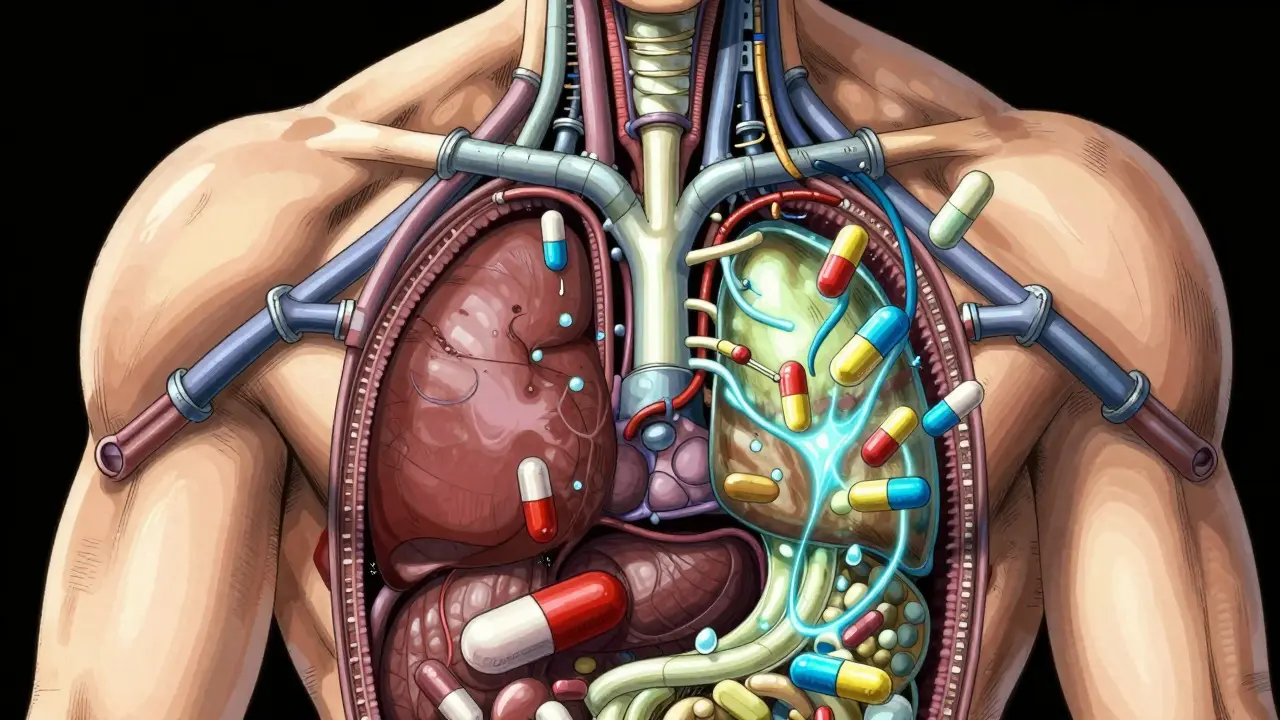
Medication safety isn’t just about the pill itself; it’s about how it interacts with your unique biology and other substances you consume. One of the biggest dangers lies in combining blood pressure meds with common over-the-counter painkillers. NSAIDs (Non-Steroidal Anti-Inflammatory Drugs) like ibuprofen or naproxen can interfere with how ACE inhibitors and ARBs work, potentially causing acute kidney injury. If you need pain relief, acetaminophen is generally safer for your kidneys, though you should still check with your provider.
Pregnancy changes everything. Certain blood pressure medications are strictly forbidden during pregnancy because they can harm the developing fetus. ACE inhibitors, ARBs, and direct renin inhibitors carry black box warnings for fetal toxicity. If you are pregnant or planning to be, your doctor will switch you to safer alternatives like methyldopa or labetalol. Never stop or change your medication without professional guidance, as uncontrolled hypertension is also dangerous for both mother and baby.
Age plays a crucial role in safety as well. Older adults often have more sensitive blood vessels and slower metabolisms. Starting with a low dose and increasing slowly is standard practice to avoid orthostatic hypotension-a sudden drop in blood pressure when standing up, which can lead to dizziness and falls. Falls are a major risk for seniors, so balancing blood pressure control with stability is key.

Treatment Guidelines: How Doctors Choose Your Meds
You might wonder why your neighbor takes Amlodipine while you’re on Lisinopril. Treatment isn’t one-size-fits-all. Current guidelines, including those from the American Heart Association and JNC8, recommend individualized plans based on your ethnicity, age, and other health conditions.
For example, thiazide diuretics and calcium channel blockers are often preferred as initial therapy for Black patients due to better efficacy in this demographic. Conversely, ACE inhibitors and ARBs are highly recommended for patients with chronic kidney disease or diabetes because they offer extra protection to the kidneys beyond just lowering blood pressure. Beta-blockers are typically reserved for patients who have had a previous heart attack or have heart failure, as they provide cardioprotective benefits that other classes don’t.
If you have Stage 2 hypertension (systolic ≥140 mmHg or diastolic ≥90 mmHg), recent 2025 guidelines suggest starting with two different medications simultaneously rather than waiting to see if one works. About 70% of patients eventually need two or more drugs to reach their target blood pressure. Combination pills, which contain two active ingredients in one capsule, can simplify your routine and improve adherence.
Living with Hypertension: Adherence and Monitoring
The hardest part of treating high blood pressure isn’t the science; it’s the habit. Studies show that roughly 50% of patients stop taking their medication within a year. Why? Because hypertension is asymptomatic. You don’t feel better when your blood pressure drops, but you might feel worse from side effects. This disconnect leads many to skip doses.
To stay on track, integrate your medication into an existing daily routine. Take it with breakfast, next to your toothbrush, or alongside another essential task. Use smartphone reminders or pill organizers to build consistency. Monitor your blood pressure at home regularly. Home monitoring provides data that reflects your true baseline, avoiding "white coat syndrome" where anxiety spikes readings at the doctor’s office. Share these logs with your healthcare provider. They help adjust dosages accurately and confirm that the current regimen is effective.
Remember, lifestyle changes amplify medication effectiveness. Reducing sodium intake, increasing physical activity, limiting alcohol, and managing stress can sometimes allow for lower medication doses. However, never attempt to replace prescribed medication with lifestyle changes alone unless explicitly directed by your doctor. Consistent management saves lives by preventing strokes, heart attacks, and kidney failure.
Can I stop taking blood pressure medication once my numbers are normal?
No. Normal blood pressure readings mean the medication is working, not that you are cured. Stopping abruptly can cause a dangerous rebound spike in blood pressure, increasing the risk of stroke or heart attack. Always consult your doctor before making any changes to your dosage.
What is the best time of day to take blood pressure medication?
There is no single "best" time for everyone. Some studies suggest evening dosing may offer slightly better cardiovascular protection, but consistency is more important. Choose a time you won’t forget, such as morning with breakfast or night before bed. Stick to that schedule every day.
Do grapefruit and blood pressure medications interact?
Yes, grapefruit and grapefruit juice can interfere with the metabolism of certain calcium channel blockers (like felodipine and nifedipine) and some statins. This interaction can lead to dangerously high levels of the drug in your bloodstream. Check with your pharmacist if your specific medication is affected.
Why was I prescribed two medications instead of one?
Most people with hypertension require multiple medications to reach target blood pressure goals. Using two drugs with different mechanisms of action often works better and causes fewer side effects than doubling the dose of a single drug. This approach is standard for Stage 2 hypertension.
Are natural supplements safe alternatives to prescription meds?
While lifestyle changes and some supplements (like potassium or magnesium under supervision) can support blood pressure control, they are rarely sufficient replacements for prescription medication in moderate to severe cases. Supplements can also interact with medications. Always discuss any supplement use with your healthcare provider.