
National Prescription Drug Take-Back Days: What to Expect, Where to Go, and How It Works
 Aug, 3 2026
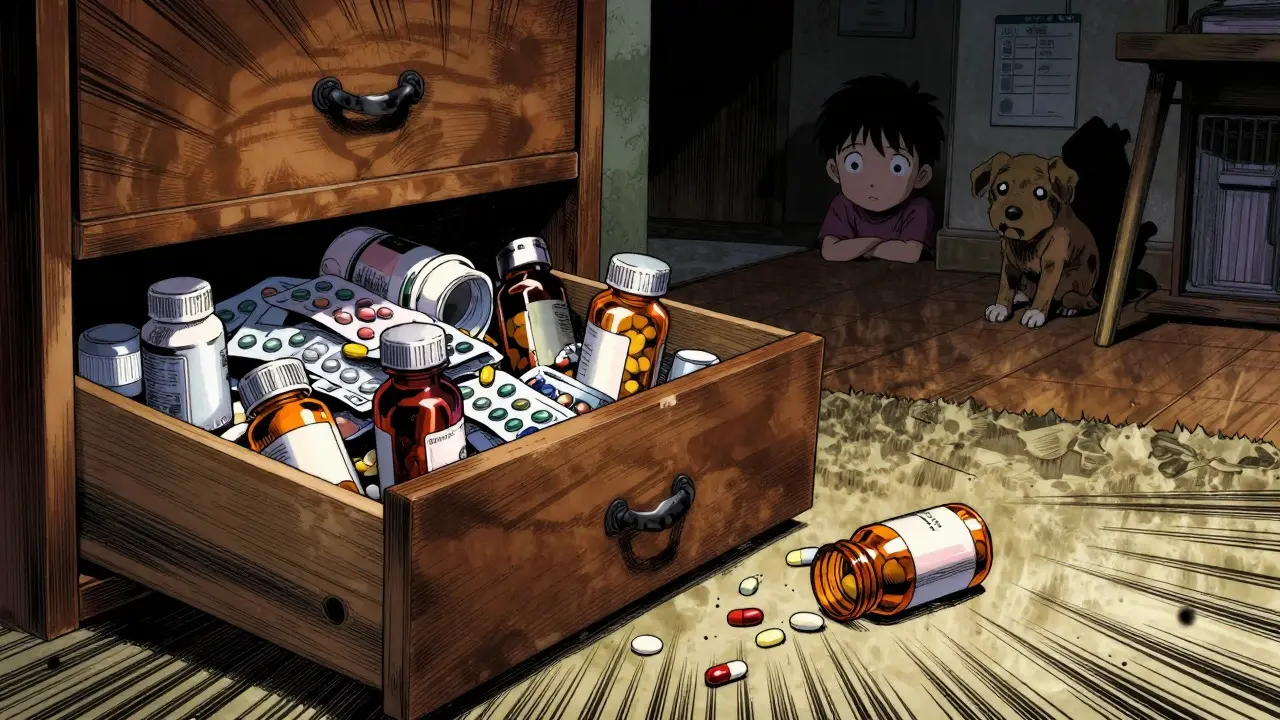
Most of us have a drawer somewhere in the house that’s slowly turning into a graveyard for old pills. Maybe it’s leftover antibiotics from that cold last winter, or painkillers you barely touched after a minor injury. It feels harmless enough until you realize those unused medications are sitting within reach of kids, pets, or even well-meaning relatives who might think they’re safe to try. That’s exactly why National Prescription Drug Take-Back Days exist.
Organized by the U.S. Drug Enforcement Administration (DEA), these events give Americans a simple, anonymous way to get rid of drugs they no longer need without flushing them down the toilet or tossing them in the trash. With the next major event scheduled for October 25, 2025, now is the perfect time to clear out your cabinets and understand how the process works.
What Is National Prescription Drug Take-Back Day?
Think of this as a community cleanup day, but specifically for your medicine cabinet. The program was launched in 2010 to tackle the growing crisis of prescription drug misuse. Instead of leaving powerful medications lying around where they can be stolen, accidentally ingested, or misused, the DEA partners with nearly 4,000 law enforcement agencies across the country to set up temporary collection sites.
The goal is straightforward: remove unnecessary drugs from homes to prevent accidental overdoses, reduce poisonings, and keep chemicals out of our water supply. Attorney General Pamela Bondi recently highlighted that while these drugs are legal, they remain potent and risky if left unsecured. By providing a free, no-questions-asked disposal method, the government aims to break the chain of diversion-where unused pills move from one person’s home to another’s hands without medical supervision.
Who organizes the Take-Back Days?
The U.S. Drug Enforcement Administration (DEA) organizes the events in collaboration with local, state, and federal law enforcement partners nationwide.
When and Where Can You Drop Off Medications?
Timing is everything with these events. They happen twice a year, typically on the last Saturday in April and the last Saturday in October. For the upcoming cycle, mark your calendar for October 25, 2025. The collection windows are tight: sites open at 10 a.m. and close at 2 p.m. local time. If you show up at 9:55 a.m., you’ll likely be turned away, so plan ahead.
You don’t need to drive to a police station if you don’t want to. The network includes roughly 4,590 collection sites, which range from dedicated law enforcement facilities to hospital pharmacies, retail clinics, and community centers. In Ohio, for example, University Hospitals has set up drop-off points at locations like the Mentor Hopkins Health Center and Minoff Health Center. To find the closest site to you, you can use the DEA’s official website or the “Dispose My Meds” mobile app, which helps users locate nearby kiosks and event sites.
If you live in a rural area, access might feel limited. Historically, urban centers have had one site per 15,000 residents, while rural areas averaged only one per 50,000. However, the DEA is addressing this gap by deploying 120 mobile collection units to communities more than 25 miles from traditional sites. These mobile units aim to boost rural participation significantly, making it easier for everyone to participate regardless of location.
What Medications Are Accepted?
Not everything in your bathroom cabinet qualifies for the drop box. The program accepts solid prescription medications, including tablets, capsules, patches, and suppositories. This covers most common prescriptions like opioids, stimulants, sedatives, and antibiotics.
Liquids require a bit more care. If you have cough syrup or liquid pain relievers, you should seal them securely in their original container before dropping them off. This prevents leaks during transport and ensures safe handling by law enforcement officers.
There are strict exclusions, though. You cannot drop off syringes, needles, or other sharps. These require separate disposal methods, often through specific sharps containers available at pharmacies. Illicit drugs are also excluded; this event is strictly for legally prescribed medications that are no longer needed. If you’re unsure whether an item qualifies, check the label or call the local collection site beforehand.
| Accepted Items | Excluded Items |
|---|---|
| Tablets and capsules | Syringes and needles (sharps) |
| Transdermal patches | Illicit drugs |
| Liquids (sealed in original container) | Medical devices (e.g., inhalers unless empty) |
| Suppositories | Hazardous waste (e.g., batteries) |
How Does the Disposal Process Work?
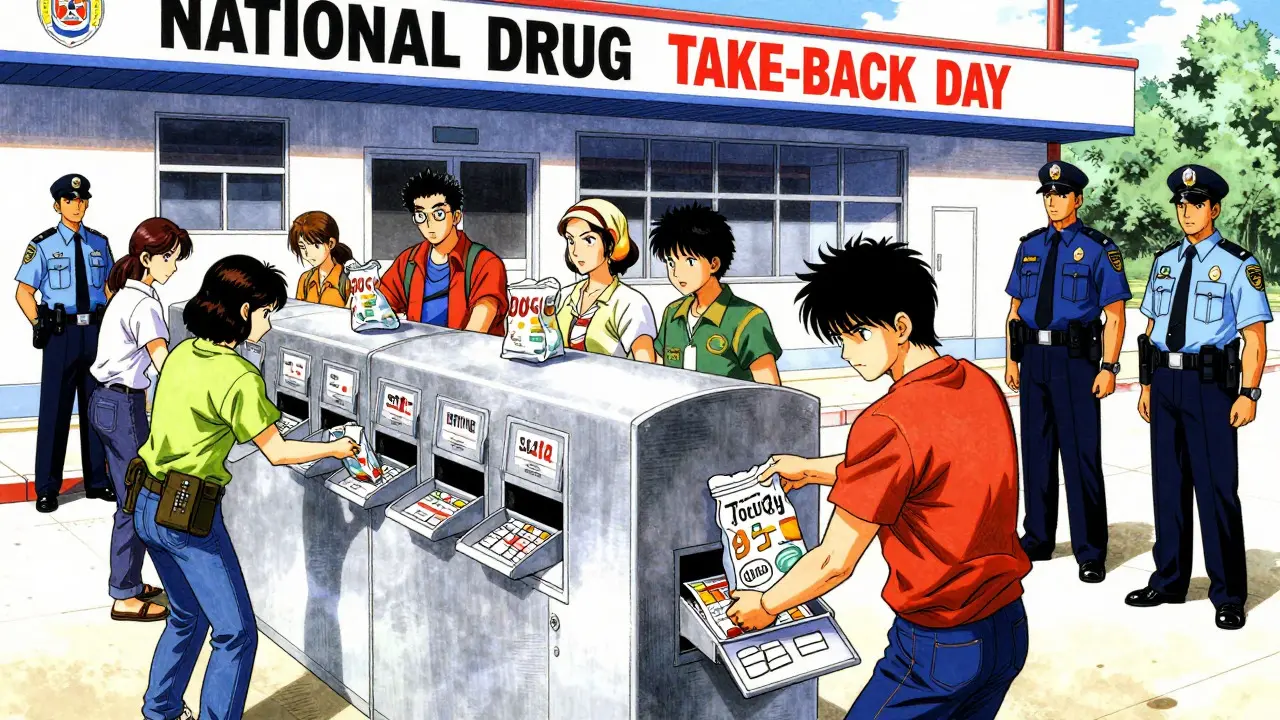
One of the biggest fears people have about disposing of drugs is being judged or questioned. Rest assured, the process is completely anonymous. You pull up to a designated bin, drop your medications in, and drive away. No ID is required, no questions are asked, and no records are kept of what you brought.
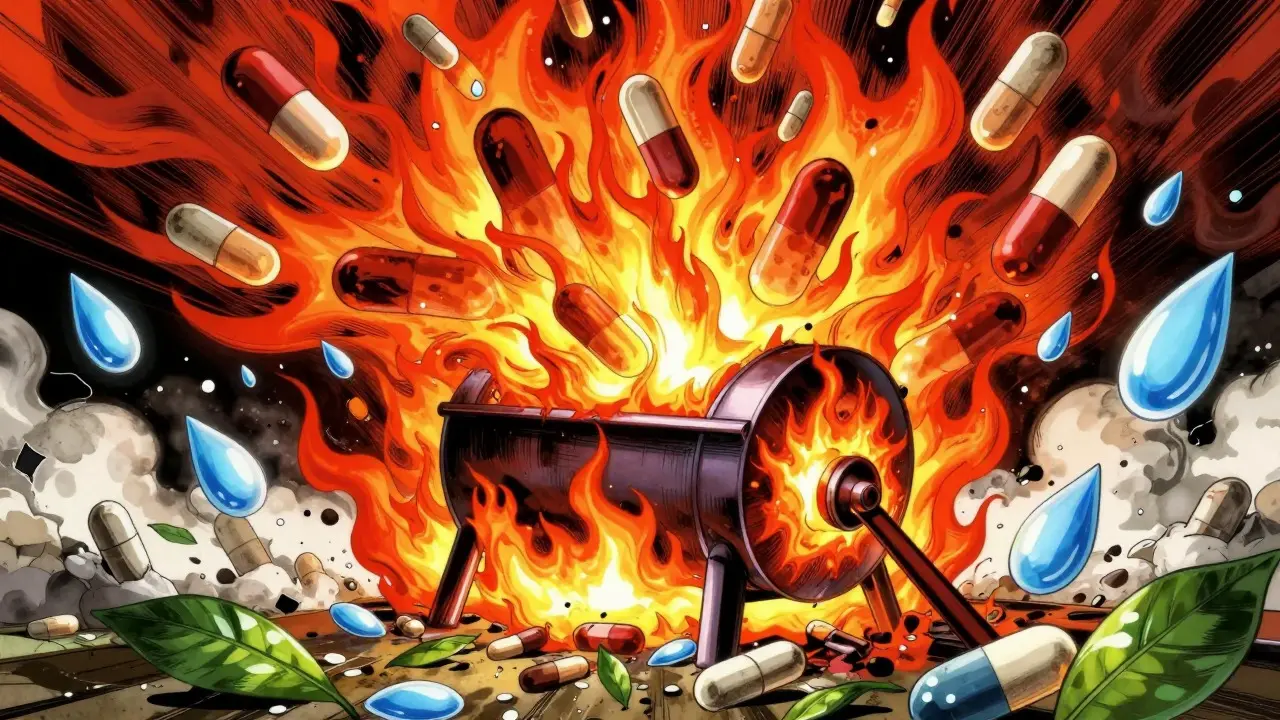
Behind the scenes, law enforcement maintains custody of the collected substances throughout the event. Once the bins are closed, the medications are transported to secure facilities for destruction. The DEA uses incineration and other approved methods to ensure the drugs are permanently neutralized. This rigorous protocol prevents any chance of the medications re-entering the market or ending up in landfills.
For those who missed the window or live far from a site, there are over 14,250 year-round DEA-authorized collection sites. These permanent kiosks, often found in pharmacies like Walgreens and CVS, offer similar anonymity and security. While the Take-Back Days provide a concentrated effort, these permanent options ensure you always have a place to go.
Why Proper Disposal Matters More Than Ever
The statistics paint a serious picture. According to Dr. Nora Volkow, Director of the National Institute on Drug Abuse, millions of Americans misuse pain relievers annually, with most accessing them from family or friends’ medicine cabinets. When unused drugs sit in drawers, they become easy targets for teens experimenting with substances or adults struggling with addiction.
Environmental impact is another critical factor. Flushing medications down the toilet may seem convenient, but it introduces pharmaceutical compounds into our water systems. These chemicals can affect aquatic life and potentially contaminate drinking water sources. Landfill disposal isn’t much better, as leachate from decomposing pills can seep into groundwater. Take-Back programs eliminate these environmental risks by ensuring professional destruction.
Data from recent events shows tangible results. The April 2025 event alone collected over 620,000 pounds of prescription drugs. Since the program’s inception in 2010, nearly 20 million pounds of medication have been safely disposed of. This massive removal from circulation contributes to broader public health goals, including reducing opioid-related overdose deaths.
Preparing for Your Next Drop-Off
To make the most of the next Take-Back Day, start sorting your medications now. Go through every pill bottle, blister pack, and tube. If you haven’t taken it in six months and don’t have an active prescription, it’s likely time to let it go. Keep liquids sealed tightly to avoid spills in your car or at the drop-off point.
Consider involving your household. Explain to family members, especially teenagers, why getting rid of old meds is important for safety. It’s a practical lesson in responsibility and harm reduction. If you have elderly relatives living with you, help them organize their own cabinets. Many seniors accumulate unused prescriptions due to changing dosages or discontinued treatments.
Don’t forget to check for expiration dates. While expired drugs aren’t necessarily dangerous to handle, they lose effectiveness over time. Keeping them around creates clutter and confusion. Clearing them out simplifies your healthcare routine and reduces the risk of accidentally taking something that no longer works.
Alternatives If You Miss the Event
Life gets busy, and sometimes you miss the four-hour window. That’s okay. Several alternatives exist for responsible disposal. Many local pharmacies offer mail-back programs where you can send unused medications via prepaid envelopes. Services like Stericycle provide year-round take-back solutions for individuals and businesses.
Some communities host local clean-up days independent of the national event. Check with your city’s public works department or health clinic for additional opportunities. Permanent kiosks at participating retailers remain open daily, offering flexibility for those with unpredictable schedules.
If you’re dealing with controlled substances like opioids, consider asking your doctor for guidance. They may recommend specific disposal techniques or connect you with local resources. Remember, the goal is safe removal, not just convenience.
Frequently Asked Questions
Is the National Prescription Drug Take-Back Day free?
Yes, the service is completely free for all participants. There are no fees for dropping off medications at any authorized collection site.
Do I need to bring my ID to drop off drugs?
No, identification is not required. The process is designed to be anonymous to encourage participation and protect privacy.
Can I drop off over-the-counter medications?
While the program focuses on prescription drugs, many sites accept over-the-counter medications as well. However, policies may vary by location, so it’s best to check with your local site first.
What happens to the drugs after they are collected?
Collected medications are transported to secure facilities where they are destroyed using incineration or other EPA-approved methods to ensure complete neutralization.
Are there year-round options if I miss the Take-Back Day?
Yes, there are over 14,250 permanent DEA-authorized collection sites nationwide, including many pharmacies and hospitals, that accept medications year-round.