
Steroid Tapering: How to Avoid Withdrawal and Disease Rebound
 Mar, 9 2026
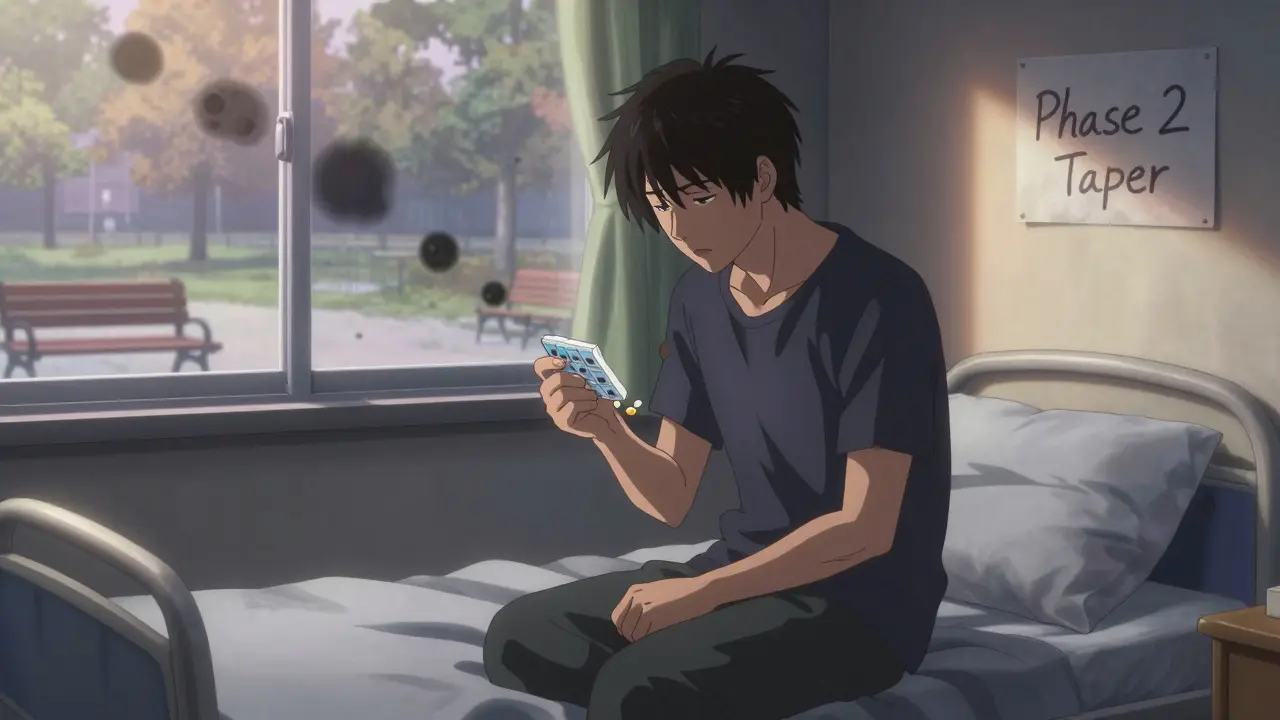
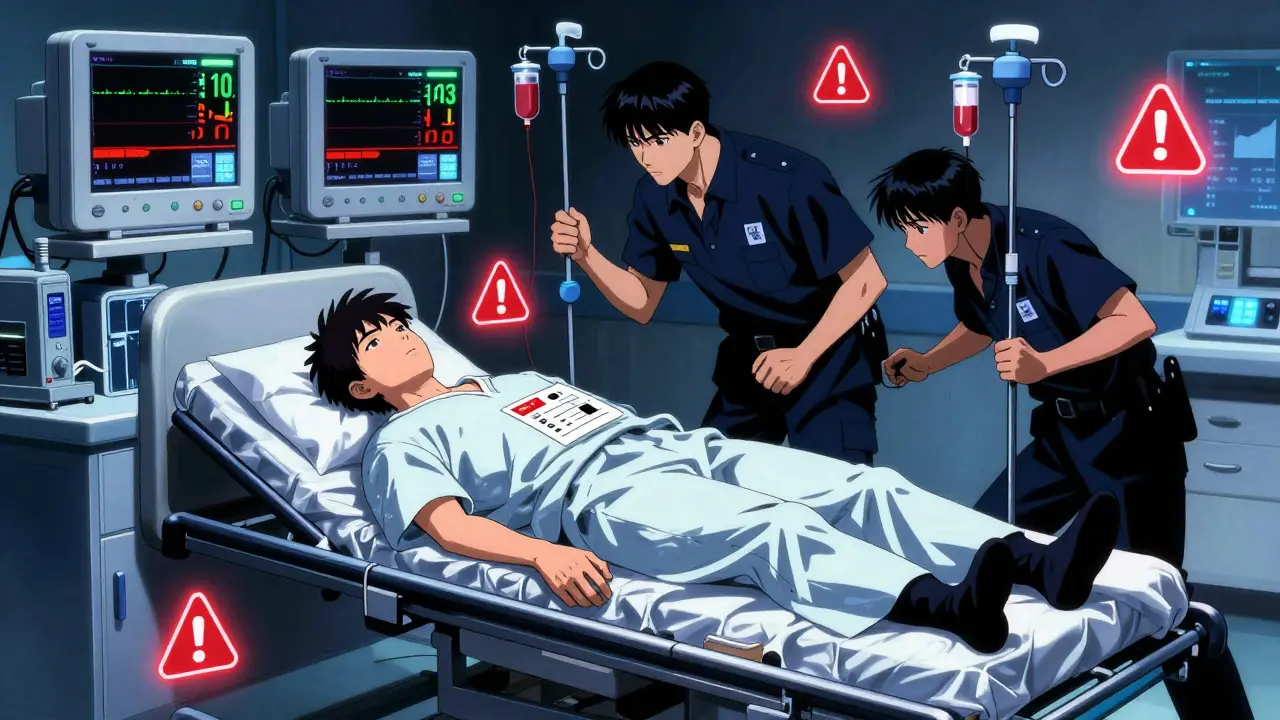
Stopping steroids suddenly can be dangerous-even life-threatening. If you’ve been on prednisone or another glucocorticoid for more than three weeks, your body has stopped making its own cortisol. That’s normal. But when you quit cold turkey, your adrenal glands don’t snap back to work right away. The result? Fatigue so deep you can’t get out of bed, joint pain that feels like arthritis, dizziness, nausea, or worse-a full-blown adrenal crisis. And if you’re taking steroids for an autoimmune disease like rheumatoid arthritis or inflammatory bowel disease, stopping too fast can trigger a flare that’s harder to control than the original condition.
Why Steroid Tapering Isn’t Just a Recommendation-it’s a Medical Necessity
Glucocorticoids like prednisone are powerful. They calm inflammation, suppress overactive immune responses, and can be lifesaving for people with lupus, vasculitis, or severe asthma. But they come with a hidden cost: your body forgets how to make cortisol. The hypothalamic-pituitary-adrenal (HPA) axis, which normally regulates stress and energy, goes quiet after weeks of external steroid use. Abruptly removing the drug leaves your body without its primary stress hormone. That’s why tapering isn’t about comfort-it’s about survival.
The Mayo Clinic confirms that patients who stop steroids too quickly face a real risk of adrenal insufficiency. Symptoms include low blood pressure, confusion, vomiting, and even shock. In 2021, the British Journal of Clinical Pharmacology documented hospital admissions from steroid withdrawal, with many cases linked to patients who were never given clear tapering instructions. This isn’t rare. WebMD’s 2023 survey found that 41% of withdrawal complications happened because patients didn’t understand their tapering schedule.
The Three Phases of a Safe Steroid Taper
There’s no one-size-fits-all plan, but most experts agree on a three-phase approach based on dose and duration of use.
Phase 1: Rapid Taper (High Dose)
If you’re on more than 20 mg of prednisone daily, you can start by reducing by 5-10 mg every week. For example, going from 40 mg to 30 mg, then 20 mg. This phase usually lasts 2-6 weeks. The goal is to get you down to a level where your body can begin to reactivate its own cortisol production without triggering a flare.
Phase 2: Gradual Taper (Medium Dose)
Once you’re at 20 mg or below, slow things down. Reduce by 2.5-5 mg every two weeks. At this stage, you might start feeling withdrawal symptoms: muscle aches, joint stiffness, low energy, or trouble sleeping. These aren’t signs you’re doing it wrong-they’re signs your body is waking up. WebMD reports that 68% of patients experience mild symptoms during this phase. The key? Don’t rush. If your pain spikes or you feel dizzy, pause the taper for a week. Hold your dose. Let your body catch up.
Phase 3: Slow Taper (Low Dose)
Below 10 mg, things get delicate. Reducing by 2.5 mg every two weeks is standard. Once you hit 5 mg, go even slower-some people need to drop by 1.25 mg every three weeks. Why? Because at these levels, your body is trying to restart cortisol production. It’s like rebooting a computer that’s been off for months. Rushing this phase can undo progress. A 2023 study in the Journal of Clinical Endocrinology & Metabolism found that patients who slowed down below 5 mg had 74% fewer flare-ups than those who rushed.
What Withdrawal Really Feels Like (And How to Handle It)
Withdrawal isn’t just physical. It’s mental, too. Patients on Reddit’s r/steroids describe "taper tantrums"-sudden, intense flares of pain or fatigue when dropping below 10 mg. One person wrote: "I dropped from 7.5 mg to 5 mg and couldn’t walk for five days. My joints felt like they were grinding." That’s not a coincidence. It’s your immune system reacting to the sudden drop in suppression.
Here’s what works:
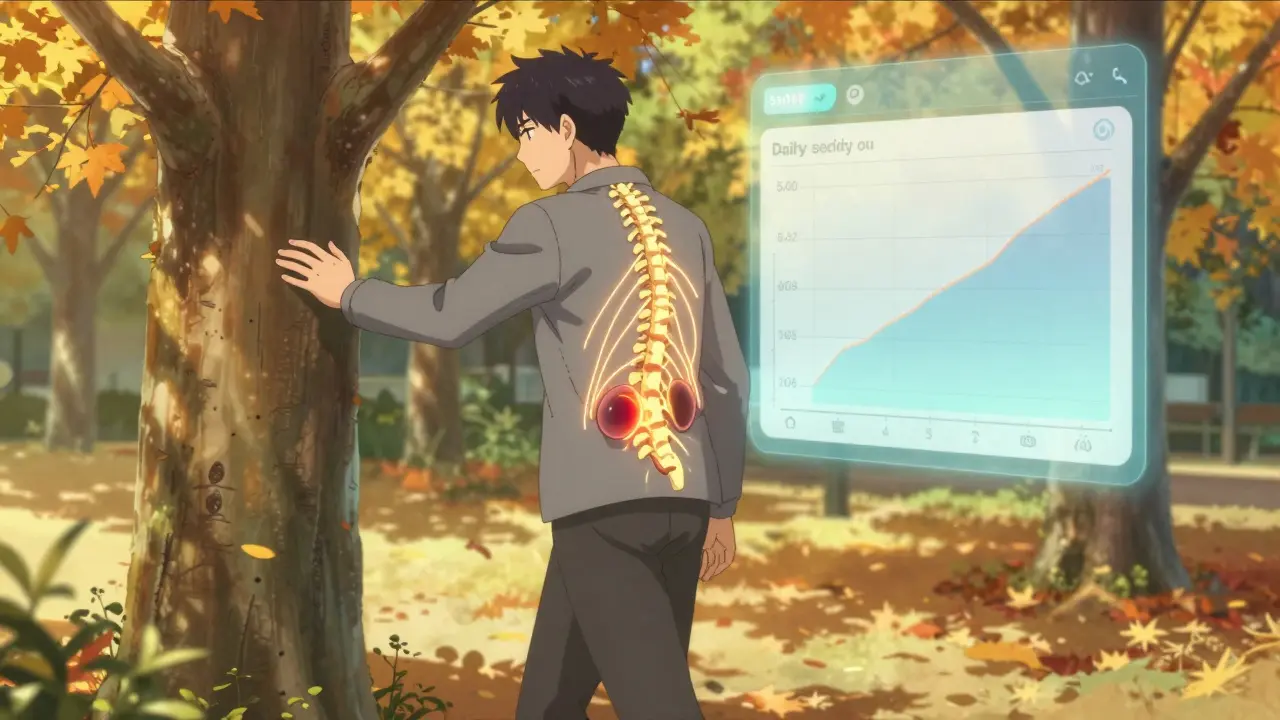
- Movement over rest: Bed rest makes stiffness worse. Gentle walks-10 to 15 minutes twice a day-reduce joint pain by 57%, according to WebMD. Try walking around the house or in a park. Don’t push hard. Just move.
- Warm water therapy: Soaking in a warm bath or swimming in a heated pool eases muscle tension. The warmth helps blood flow and reduces inflammation naturally.
- Meditation and breathing: Daily 10-minute meditation cuts anxiety and fatigue by 43%. You don’t need an app. Just sit quietly, breathe in for four counts, hold for four, exhale for six. Repeat.
- Sleep hygiene: Withdrawal messes with your circadian rhythm. Go to bed and wake up at the same time every day. Avoid screens an hour before bed. Dark, cool rooms help.
And if you feel sick-fever, infection, flu, or even a bad toothache? Increase your dose. This is called "sick day rules." Your body needs extra cortisol to handle stress. Skip this, and you risk adrenal crisis. The Australian Prescriber reports that 18% of ER visits from recently tapered patients were due to illness without dose adjustment.
Hydrocortisone vs. Prednisone: Does Switching Help?
Some doctors suggest switching from prednisone to hydrocortisone before the final stages of tapering. The idea? Hydrocortisone has a shorter half-life, so it might let your adrenal glands recover faster. But here’s the catch: there’s little solid evidence.
The Australian Prescriber (2022) mentions this approach, but the PMC article "The Glucocorticoid Taper: A Primer for Clinicians" (2023) says most patients can be weaned off prednisone directly. A 2021 study showed no significant difference in recovery time between those who switched and those who didn’t. If your doctor suggests the switch, ask why. If it’s based on tradition rather than data, push back. Stick with what you’ve been on unless there’s a clear clinical reason to change.
Personalized Tapering: The New Standard
Old guidelines said: "Reduce by 5 mg every two weeks." Now, the American College of Rheumatology and EULAR recommend tailoring the taper to your disease activity. For example, if you have rheumatoid arthritis, your doctor might use the DAS28 score-a measure of joint swelling and pain-to decide how fast to reduce. If your score stays low, you can taper faster. If it climbs? Pause.
Even better, emerging tools are helping. The Prednisone Taper Assistant app, launched in early 2023, lets you log symptoms daily. It uses AI to adjust your schedule based on how you’re feeling. Pilot studies showed an 82% improvement in adherence. No more guessing. No more panic when you feel off.
What You Must Carry After Tapering
Even after you stop taking steroids, your adrenal glands may still be asleep. Recovery can take up to 18 months. That’s why every major guideline-from the Mayo Clinic to the Endocrine Society-says: Carry a steroid alert card.
This small card tells emergency responders you’ve been on steroids. It says: "Do not delay corticosteroid administration in case of illness or trauma." In 2022, a malpractice case (Smith v. Regional Medical Center) resulted in a $2.1 million settlement because the patient wasn’t given one-and died of adrenal crisis after a car accident.
Get yours from your doctor. Keep it in your wallet. Tell your close family. If you’re ever in an emergency room and unconscious, this card could save your life.
When to Call Your Doctor
You don’t have to suffer through tapering alone. Call your doctor if you experience:
- Severe fatigue that doesn’t improve with rest
- Unexplained nausea, vomiting, or dizziness
- Low blood pressure (feeling faint when standing)
- Joint pain that returns after being controlled
- Any signs of disease flare-rash, swelling, fever, diarrhea
These aren’t "normal side effects." They’re warning signs. Your doctor may need to slow the taper, temporarily increase your dose, or check your cortisol levels.
Final Thought: This Isn’t About Quitting Steroids-It’s About Reclaiming Your Body
Steroid tapering isn’t the end of treatment. It’s the beginning of recovery. You’re not just reducing a pill. You’re helping your body wake up, rebuild, and regain control. It takes time. It’s messy. You might feel worse before you feel better. But with the right plan, patience, and support, you can get off steroids without losing the gains you fought so hard for.
Stay consistent. Track your symptoms. Listen to your body. And never, ever stop cold turkey.
How long does steroid tapering usually take?
It depends on how long you’ve been on steroids and at what dose. For short-term use (under 3 weeks), tapering may take just 1-2 weeks. For long-term use (6+ months), expect 3-6 months or longer. The final stages-below 5 mg-often require weeks or months of tiny reductions. Rushing increases the risk of withdrawal or flare.
Can I taper off steroids on my own?
No. Steroid tapering must be supervised by a healthcare provider. Even if you feel fine, your body’s cortisol production may still be suppressed. Without medical guidance, you risk adrenal crisis, disease rebound, or misinterpreting symptoms. Always follow a written plan provided by your doctor.
What if I miss a dose during tapering?
If you miss one dose, take it as soon as you remember-unless it’s close to your next scheduled dose. Don’t double up. If you miss more than one day, contact your doctor immediately. Missing doses can trigger withdrawal symptoms or a disease flare. Your doctor may advise you to hold your current dose for a few extra days before continuing.
Do I need blood tests during tapering?
Routine cortisol testing isn’t needed for most people. But if you have symptoms like dizziness, fatigue, or low blood pressure, or if you’ve been on high doses for over a year, your doctor may check your morning cortisol level or do a stimulation test. These help determine if your adrenal glands are waking up. Don’t demand tests if you feel fine-most guidelines say they’re not necessary unless symptoms appear.
Is it safe to use natural supplements during steroid tapering?
Be cautious. Some supplements-like licorice root, ashwagandha, or adrenal support blends-claim to help with cortisol. But none have been proven to replace steroid support. Worse, they can interfere with your taper or mask symptoms. Always talk to your doctor before taking anything. What’s "natural" isn’t always safe, especially when your body is in recovery mode.
Can I ever go back on steroids after successfully tapering?
Yes, if your disease flares again. But if you’ve been off steroids for less than 12 months, your adrenal glands may still be recovering. In that case, restarting steroids may be safer and faster than starting from scratch. Always inform your doctor about your past steroid use-it affects how they manage your care. And if you need steroids again, you’ll likely need another taper later.
Ray Foret Jr.
March 11, 2026 AT 02:51Janelle Pearl
March 12, 2026 AT 05:11Samantha Fierro
March 13, 2026 AT 16:32Neeti Rustagi
March 15, 2026 AT 03:43Nicholas Gama
March 17, 2026 AT 03:24Philip Mattawashish
March 18, 2026 AT 07:44Erica Santos
March 19, 2026 AT 17:39George Vou
March 21, 2026 AT 11:43Scott Easterling
March 21, 2026 AT 20:48Mantooth Lehto
March 22, 2026 AT 16:26Dan Mayer
March 23, 2026 AT 22:55Melba Miller
March 25, 2026 AT 06:23Katy Shamitz
March 25, 2026 AT 17:34Mary Beth Brook
March 27, 2026 AT 00:02