
Tramadol and Seizure Disorders: What You Need to Know About the Risk
 Dec, 3 2025
Tramadol Seizure Risk Assessment Tool
Tramadol Seizure Risk Assessment
This tool helps you understand your individual risk of seizure when taking tramadol based on medical history and medication use. Tramadol can cause seizures even at normal therapeutic doses (as low as 75mg/day).
Your Risk Assessment
Low Risk
Tramadol is a painkiller many people take without knowing it could trigger a seizure-even at normal doses. If you or someone you care about has a history of seizures, epilepsy, or even just a single past seizure, this isn’t just a warning you can ignore. It’s a hard stop. Tramadol doesn’t just carry a risk-it actively lowers your brain’s natural defenses against seizures, and that danger doesn’t only come from taking too much.
How Tramadol Triggers Seizures
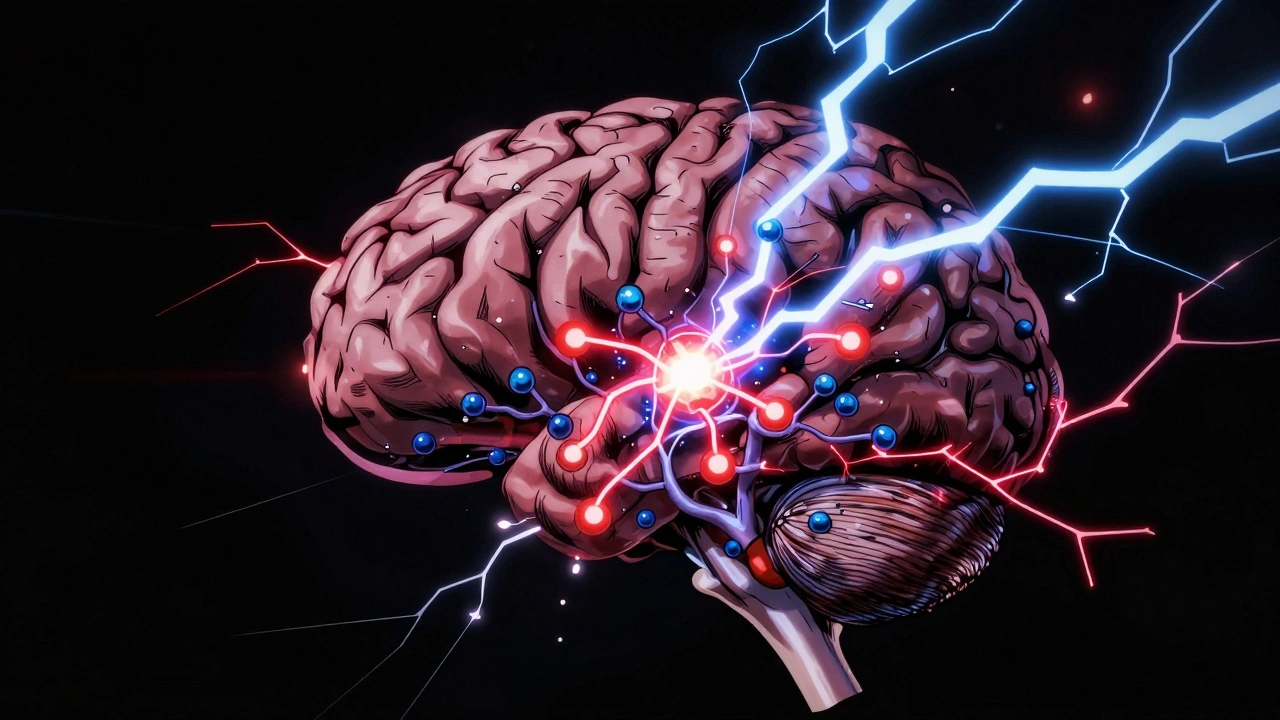
Most opioids, like morphine or oxycodone, don’t typically cause seizures. In fact, some can even reduce seizure activity at low doses. Tramadol is different. It works in two ways: as a weak opioid and as a serotonin-norepinephrine reuptake inhibitor (SNRI). That second part is the problem.
By blocking the reuptake of serotonin and norepinephrine, tramadol floods the brain with these chemicals. Too much serotonin, especially when combined with other drugs like antidepressants, can overexcite nerve cells. At the same time, tramadol and its main metabolite, M1, interfere with GABA-the brain’s main calming neurotransmitter. Less GABA means less inhibition, and that’s how seizures start.
Studies show that even at the lowest prescribed dose-75mg per day-seizures have occurred. One patient with no prior history took tramadol for back pain and had a tonic-clonic seizure within 12 hours. Another, who’d been on tramadol for months without issue, had a seizure after a small dose increase. It doesn’t matter if you’re taking it as directed. If your brain is already prone to overexcitability, tramadol can push it over the edge.
Who’s at the Highest Risk?
The risk isn’t the same for everyone. Data from a 3-year study of 28 patients with tramadol-induced seizures found that 92.8% were male, with an average age of 28.4. But that doesn’t mean women are safe-7.2% of cases were in women. Age isn’t the only factor. People with kidney problems are at much higher risk because tramadol builds up in the body when the kidneys can’t clear it. One patient with renal failure had a seizure after receiving 300mg intravenously-far below the overdose threshold, but dangerous because their body couldn’t process it.
Other high-risk groups include:
- People with a history of seizures or epilepsy
- Those taking SSRIs, SNRIs, or tricyclic antidepressants
- Patients using antipsychotics or other seizure-lowering drugs
- People who drink alcohol regularly
- Those who’ve used illicit stimulants like cocaine or MDMA
One case from New Zealand’s adverse drug reporting system involved a patient on a tricyclic antidepressant who had four seizures after tramadol doses were increased. Another patient with a known seizure disorder saw their seizure frequency spike within 24 hours of starting tramadol-even without any other medications.
It’s Not Just About Overdose
Many assume seizures only happen with abuse or overdose. That’s false. The maximum recommended daily dose of tramadol is 400mg. But seizures have been reported at doses as low as 75mg. In fact, the majority of cases-89.3%-happened within the first 24 hours of taking tramadol, even when the dose was within guidelines.
What’s more, tramadol’s effects aren’t linear. At low doses, it may actually have a mild anti-seizure effect in animal studies. But once you cross a certain threshold-usually between 200mg and 400mg-it flips. The brain’s balance tips, and seizures become likely. This makes it impossible to predict who will react badly. Two people taking the same dose-one might be fine, the other could seize.

Drug Interactions Make It Worse
Tramadol doesn’t exist in a vacuum. Over half of the seizure cases in the 2013 study involved people taking other drugs at the same time. The most dangerous combinations:
- SSRIs and SNRIs (like fluoxetine, sertraline, venlafaxine): These also raise serotonin levels. Combine them with tramadol, and you’re stacking the deck for serotonin syndrome and seizures.
- Tricyclic antidepressants (like amitriptyline): These are especially risky. Three patients in the Medsafe report had seizures while taking both TCAs and tramadol.
- Antipsychotics (like quetiapine, risperidone): They lower seizure threshold on their own. Add tramadol, and the risk multiplies.
- Alcohol: Even moderate drinking increases seizure risk with tramadol. The brain is already suppressed by alcohol, then suddenly overstimulated by tramadol’s effects.
One patient took tramadol with pethidine and cyclizine-an unusual combo-and had a seizure. Another took it with an SSRI and an antipsychotic. These aren’t rare cases. They’re red flags.
What Do Doctors Say?
Major medical institutions are clear: tramadol is contraindicated in patients with seizure disorders. The UCSF Pain Management Education program states it bluntly: don’t use it. The FDA’s own reclassification of tramadol as a Schedule IV controlled substance in 2014 was driven in part by rising seizure reports. The New Zealand Medsafe report from 2013 found tramadol was the most common drug linked to seizures in their database between 2001 and 2006.
Neurologists at Neurology.org confirmed that tramadol and its M1 metabolite reduce GABA activity-a direct, measurable mechanism for seizure triggering. And while most seizures from tramadol are short-lived and self-limiting, they can still lead to injury, hospitalization, or even sudden unexpected death in epilepsy (SUDEP) in vulnerable patients.
What Should You Do?
If you have a seizure disorder:
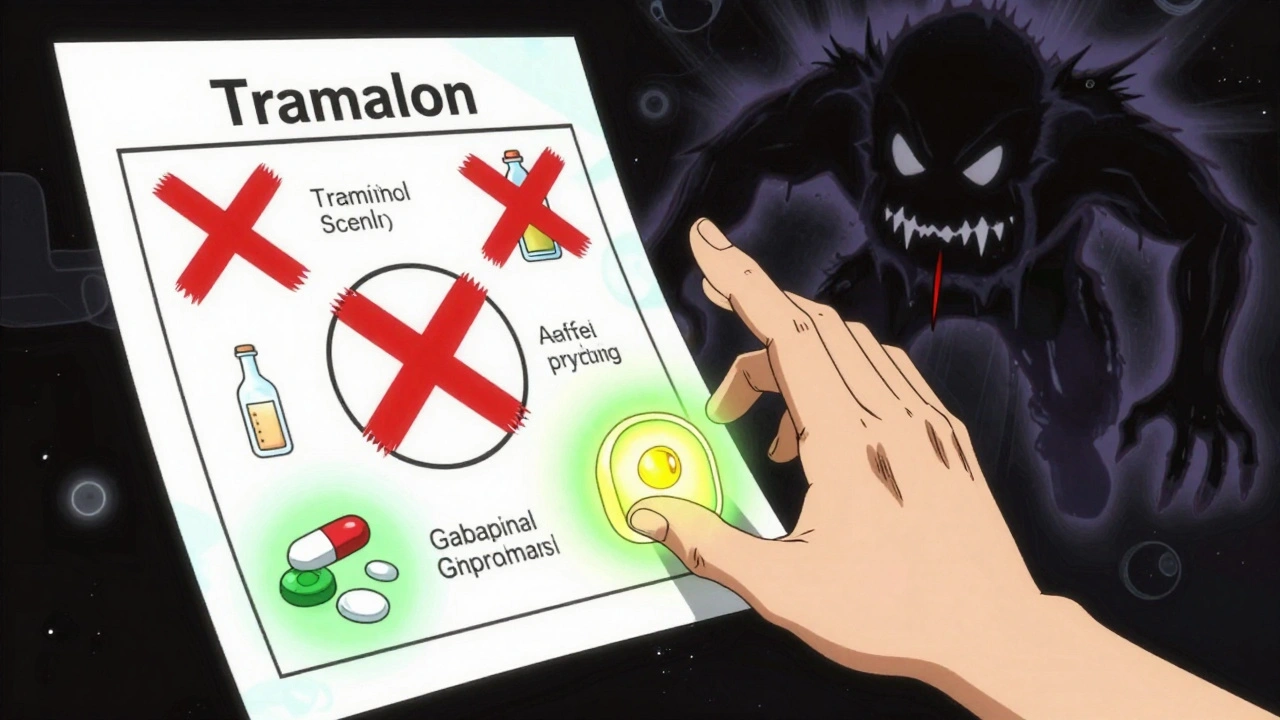
- Do not take tramadol-even once. Not for a bad back, not for a toothache, not even if your doctor says it’s "safe."
- Ask for alternatives: acetaminophen, ibuprofen, gabapentin, or non-opioid pain management plans.
- If you’re already taking tramadol, don’t stop suddenly. Talk to your doctor about tapering safely.
- Bring a list of all your medications to every appointment-including over-the-counter and supplements.
If you’re a caregiver or family member:
- Watch for sudden muscle jerks, loss of awareness, or unusual behavior after someone takes tramadol.
- Keep emergency contacts handy and know the signs of a seizure.
- Never assume "it’s just one time"-seizures can happen on the first dose.
What Are the Alternatives?
There are plenty of safer pain options if you have a seizure history:
- Acetaminophen (paracetamol): First-line for mild to moderate pain. No seizure risk.
- Ibuprofen or naproxen: Good for inflammation-related pain. Avoid if you have kidney issues.
- Gabapentin or pregabalin: Used for nerve pain and sometimes epilepsy. Safe in seizure patients.
- Physical therapy, acupuncture, or TENS units: Non-drug options that work for chronic pain.
For severe pain, some doctors may consider short-term use of morphine or oxycodone-but only after careful review. These still carry risks, but they don’t lower the seizure threshold the way tramadol does.
Final Warning
Tramadol is not a "safer opioid." That myth got people hurt. It’s not just about addiction. It’s about brain chemistry. One dose can be enough to trigger a seizure in someone with even a single past episode. The data is clear. The guidelines are strict. And the consequences can be life-changing.
If you’ve been told tramadol is "fine" for your pain, get a second opinion. Your brain isn’t worth the gamble.
Can tramadol cause seizures even at normal doses?
Yes. Tramadol has caused seizures in patients taking as little as 75mg per day-the lowest prescribed dose. Most seizures occur within 24 hours of the first dose, even when taken exactly as directed. It’s not just an overdose risk.
Is tramadol safe if I had one seizure years ago?
No. Even a single past seizure means your brain has already shown a tendency to overexcite. Tramadol lowers the seizure threshold, making another seizure far more likely. Medical guidelines universally say it’s contraindicated in anyone with a history of seizures, no matter how long ago it happened.
What medications should I avoid with tramadol?
Avoid SSRIs, SNRIs, tricyclic antidepressants, antipsychotics, alcohol, and illicit drugs like cocaine or MDMA. These all lower the seizure threshold further. Combining them with tramadol can turn a safe dose into a dangerous one.
Are there any opioids that are safer than tramadol for people with seizures?
Morphine and oxycodone don’t lower the seizure threshold the way tramadol does. They still carry addiction and respiratory risks, but they’re not linked to seizures at therapeutic doses. However, they should only be used under close medical supervision.
How long does the seizure risk last after taking tramadol?
The highest risk is in the first 24 hours after taking tramadol. EEG abnormalities often clear up within a week, but that doesn’t mean the brain is back to normal. If you’ve had a seizure, stopping tramadol is critical. The risk doesn’t linger indefinitely, but one exposure can be enough to trigger a seizure.
Can kidney problems increase the risk of tramadol seizures?
Yes. Tramadol is cleared by the kidneys. If your kidney function is reduced, the drug builds up in your system, increasing serotonin and norepinephrine levels beyond safe limits. One documented case involved a patient with renal failure who seized after just 300mg IV-well below the overdose threshold for healthy people.
michael booth
December 4, 2025 AT 04:33Tramadol is one of those drugs that gets passed around like it's harmless. I've seen too many people told it's "fine" for chronic pain without anyone mentioning the seizure risk. This post is a wake-up call. If you've ever had even one seizure, skip it. Full stop.
Carolyn Ford
December 5, 2025 AT 09:16Wait-so you're saying even a single seizure from 15 years ago means you can't take tramadol? That's absurd. I had a febrile seizure as a toddler. Am I now banned from every painkiller? This is fearmongering disguised as medical advice.
Heidi Thomas
December 6, 2025 AT 04:27You're both wrong. The real issue is doctors prescribing tramadol like candy. It's not the drug's fault-it's the incompetence. I'm a nurse. I've seen patients on 400mg daily for years with zero issues. The ones who seize? They're mixing it with antidepressants and alcohol and then acting shocked. Blame the polypharmacy, not the drug.
Alex Piddington
December 6, 2025 AT 16:36Thank you for this detailed breakdown. I've had patients with epilepsy who were put on tramadol by well-meaning providers who didn't know the mechanism. This needs to be shared with every primary care clinic. The GABA suppression + SNRI combo is uniquely dangerous. I'm printing this for our med student rotations.
Libby Rees
December 7, 2025 AT 19:43My uncle had a seizure after taking tramadol for a herniated disc. He’d never had one before. He’s 52, healthy, no meds. Just one dose. That’s all it took. I don’t care what the stats say. One is too many.
Dematteo Lasonya
December 7, 2025 AT 21:23I appreciate how clearly this is laid out. My mom’s on gabapentin for nerve pain and her doctor wanted to add tramadol for flare-ups. I showed her this. She’s switching to acetaminophen now. No arguments. No risks. Just peace of mind.
Rudy Van den Boogaert
December 7, 2025 AT 23:55My cousin took tramadol for a week after knee surgery. No history of seizures. No other meds. Had a seizure on day four. He’s fine now, but it scared the hell out of us. I didn’t even know tramadol worked like that. This should be on every prescription bottle.
Gillian Watson
December 9, 2025 AT 15:18UK guidelines are the same. Tramadol is a last-resort opioid for chronic pain, and never for anyone with seizure history. I’ve seen it happen twice in my hospital. Both times, the patient was on SSRIs too. It’s not rare. It’s predictable.
Jordan Wall
December 10, 2025 AT 14:02Tramadol’s SNRI activity is a classic example of off-target pharmacodynamics. The M1 metabolite has higher mu-opioid affinity but also potentiates glutamatergic excitotoxicity via GABAergic disinhibition. It’s a pharmacokinetic nightmare in patients with renal impairment. Don’t get me started on CYP2D6 polymorphisms…
Jessica Baydowicz
December 12, 2025 AT 03:52OMG this is so important!! I was about to ask my doctor for tramadol for my sciatica. Thank you for saving me from a nightmare. I’m going to ask for gabapentin instead-so much safer!! 💪❤️
Shofner Lehto
December 13, 2025 AT 21:23If you have a seizure disorder, this isn’t a suggestion. It’s a survival rule. I’ve worked with people who lost years of their life after one seizure triggered by a "safe" painkiller. No exceptions. No "maybe." Just don’t.
val kendra
December 14, 2025 AT 19:31My sister’s neurologist told her tramadol was okay if she took it once a week. I called the clinic and got them to change their protocol. This post is why we need more awareness. It’s not just about addiction-it’s about brain chemistry. One dose can change everything.
Isabelle Bujold
December 15, 2025 AT 21:03As someone who’s lived with epilepsy since childhood, I’ve had to fight doctors who think "it’s just a little pain" and prescribe tramadol anyway. I’ve had three seizures from it-even at 75mg. I’m now on a strict no-tramadol policy. I’ve switched to physical therapy, CBD oil, and heat wraps. It’s not perfect, but it’s safe. And safety matters more than convenience. If you’ve ever had a seizure, even one decades ago, please, please, please listen to this. Your brain doesn’t get a second chance.
George Graham
December 17, 2025 AT 12:15My dad was on tramadol for years after his back surgery. He never had a seizure, but he did have a scary episode where he lost awareness for a few seconds. We didn’t connect it until now. We’re switching him to ibuprofen and physical therapy. Thank you for the clarity. This could’ve been a tragedy.