
Venom Immunotherapy: How VIT Stops Severe Stinging Insect Allergies
 Aug, 1 2026
Imagine stepping outside to garden or attend a summer barbecue, only to feel a sharp sting on your arm. For most people, it’s an annoying bump that fades in a day. But for the millions of us with stinging insect allergy, that moment triggers a race against time. Your throat might swell, your breathing could tighten, and without immediate action, it becomes life-threatening.
If you’ve been relying solely on carrying an epinephrine auto-injector (like an EpiPen), you’re playing defense. You’re hoping you don’t get stung again, or that you catch the reaction fast enough. There is, however, a way to change the game entirely. It’s called Venom Immunotherapy (VIT). Unlike standard allergy shots for pollen, VIT doesn’t just manage symptoms; it actually rewires your immune system to tolerate the venom. It is currently the only disease-modifying treatment available for this condition.
What Is Venom Immunotherapy?
Venom Immunotherapy, often referred to as venom desensitization, is a specialized medical protocol designed to prevent severe allergic reactions to stings from Hymenoptera species. This includes honeybees, yellow jackets, wasps, hornets, and fire ants. The concept isn’t new-it has been clinically implemented since the 1970s-but its precision has improved dramatically.
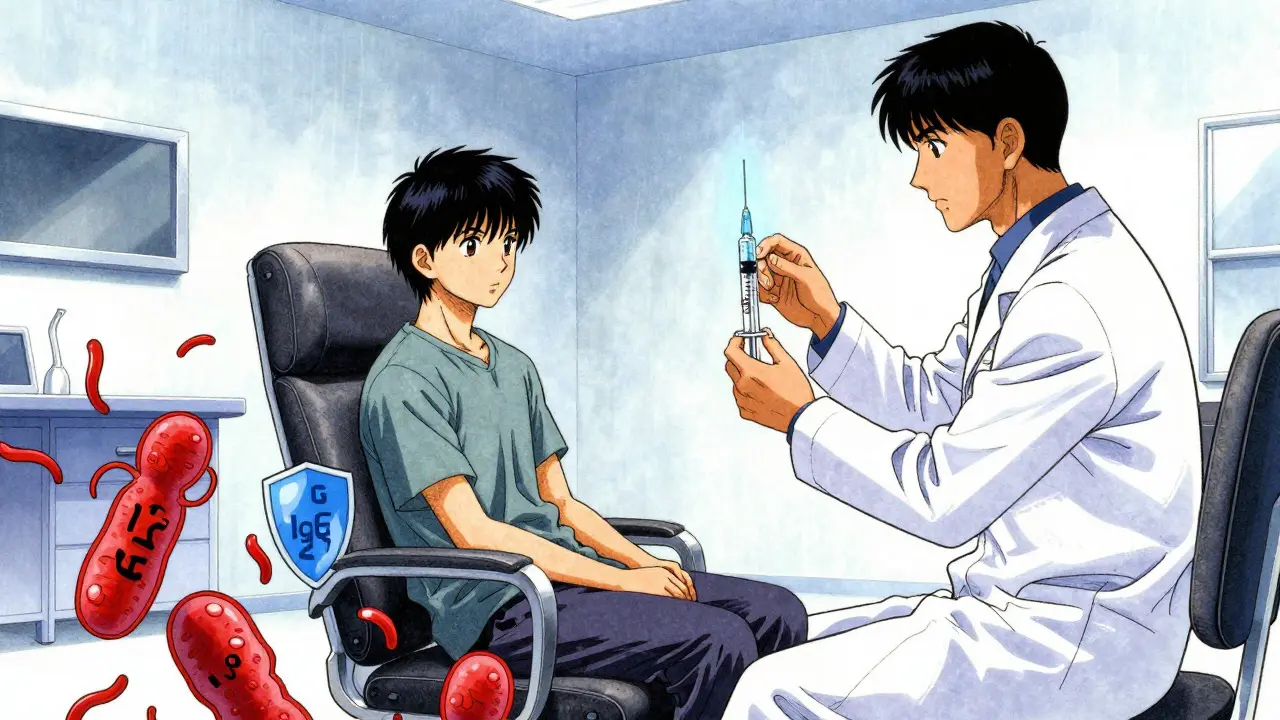
The process works by introducing tiny, controlled amounts of purified insect venom into your body over time. Think of it like teaching your immune system that the venom is not a threat. By gradually increasing the dose, your body stops producing the aggressive IgE antibodies that cause anaphylaxis and starts building protective IgG4 antibodies instead.
According to the American Academy of Allergy, Asthma & Immunology (AAAAI), approximately 3 million Americans are candidates for this therapy. Yet, many remain unaware of it because it requires a specialist-an allergist-and a commitment to regular clinic visits. It is not something you can do at home with a kit. It is a structured, monitored medical journey.
Is VIT different from regular allergy shots?
Yes. Regular allergy shots usually target environmental allergens like pollen or dust mites and aim to reduce symptom severity. VIT targets specific insect venoms and aims for complete protection against systemic reactions, offering significantly higher efficacy rates (up to 98%) compared to environmental immunotherapies.
The Numbers Behind the Protection
Why do experts call VIT one of the most effective treatments in all of immunology? The data is striking. If you have had a systemic reaction (symptoms beyond the sting site, such as hives, dizziness, or trouble breathing) to a sting, your risk of having another severe reaction if stung again is between 40% and 70%. That is a coin flip with high stakes.
VIT changes those odds drastically. Systematic reviews published in the Cochrane Database show that VIT reduces the risk of systemic allergic reactions to just 3-15%. This represents a 90% relative risk reduction. To put that in perspective, preventing 1.5 million severe reactions annually in the US alone is a massive public health impact.
The effectiveness varies slightly depending on the insect:
- Vespid venom (wasps, yellow jackets, hornets): Protection rates are incredibly high, ranging from 91% to 96%.
- Honeybee venom: Protection rates are still excellent, sitting between 77% and 84%.
- Fire ant venom: Highly effective, though protocols may differ slightly due to the nature of the sting.
These numbers aren't theoretical. They come from longitudinal studies involving hundreds of patients. When your immune system reaches a protective titer of venom-specific IgG4 antibodies (exceeding 10 mg/L), you are essentially shielded from the worst outcomes.
How the Treatment Process Works
Starting VIT is a commitment. It is not a quick fix, but rather a marathon that pays off in long-term safety. The treatment is divided into two distinct phases: the buildup phase and the maintenance phase.
The Buildup Phase
This initial stage typically lasts 8 to 20 weeks. During this time, you will visit an allergy clinic once or twice a week. The doctor starts with microscopic doses-sometimes as low as 0.05 micrograms-and increases the amount incrementally. The goal is to reach a "maintenance dose" of 100 to 200 micrograms safely. Because your body is adjusting, there is a small risk of mild reactions during this phase, which is why every injection requires a 45-to-60-minute observation period at the clinic.
The Maintenance Phase
Once you hit the target dose, the frequency drops significantly. You’ll receive injections every 4 to 8 weeks. This phase lasts for a minimum of 3 to 5 years. For some patients, especially those with high-risk occupations (like beekeepers or outdoor workers), treatment may continue indefinitely. The good news? Many patients maintain protection for 5 to 10 years even after stopping treatment.
| Phase | Duration | Frequency | Goal |
|---|---|---|---|
| Buildup | 8-20 weeks | 1-3 times weekly | Reach maintenance dose safely |
| Maintenance | 3-5+ years | Every 4-8 weeks | Maintain immune tolerance |
Who Should Consider VIT?
Not everyone who gets a bad reaction to a sting needs VIT. The decision depends on your history and lifestyle. According to guidelines from the American College of Allergy, Asthma & Immunology (ACAAI), VIT is highly recommended for:
- Patients with systemic reactions: If you experienced hives all over your body, swelling of the lips/throat, vomiting, or dizziness after a sting, you are a prime candidate.
- Those with mast cell disorders: Conditions like mastocytosis increase the severity of reactions, making VIT crucial.
- High-exposure individuals: If you work outdoors, garden frequently, or live in an area with high insect activity, the risk of future stings is real.
Conversely, if your reaction was purely local-a large, painful welt that stayed near the sting site-you likely do not need VIT. Large local reactions are uncomfortable but rarely life-threatening. However, only an allergist can make this determination through skin testing and blood tests (venom-specific IgE).
VIT vs. Epinephrine Alone
A common question is: "If I just carry my EpiPen, am I safe?" Carrying an epinephrine auto-injector is non-negotiable for anyone with a known allergy. It is your emergency brake. But relying on it exclusively is risky.
Studies show that even among people who carry epinephrine, up to 40% fail to use it correctly or in time during an emergency. Fear, confusion, or physical incapacitation can delay administration. VIT acts as a preventive shield. It lowers the chance that you’ll ever need to press that button in the first place.
When compared to sublingual immunotherapy (under-the-tongue drops), which is popular for pollen allergies, VIT via injection is far superior for insects. Sublingual options for venom show only 40-55% efficacy, whereas injectable VIT hits 90%+. Oral therapies remain experimental with no FDA-approved products yet.

The Real Cost and Commitment
Let’s talk about the downsides, because they exist. VIT is not free, and it is not convenient.
Financial Cost: Without insurance, annual costs can range from $2,800 to $4,500 per patient. However, Medicare and most private insurers cover VIT because it prevents costly emergency room visits and hospitalizations. A health economic analysis calculated a cost-benefit ratio of 1:7.3, meaning for every dollar spent on VIT, society saves $7.30 in avoided emergency care.
Time Commitment: The buildup phase requires frequent trips to the clinic. Missing work or school is a significant drawback for 32% of patients. You must factor in the travel time plus the mandatory hour-long wait after each shot.
Side Effects: About 2-5% of patients experience systemic reactions during the buildup phase. These are usually mild to moderate and easily managed by the clinic staff. Injection site redness or itching is more common but generally harmless.
Patient Experiences: Life Beyond Fear
Statistics tell one story, but patient voices tell another. On community forums like Allergy Amulet, 87% of VIT users reported a significant drop in anxiety regarding outdoor activities. One user noted they finally returned to gardening without checking every leaf for bees. Another mentioned attending their child’s soccer games without clutching their bag for an EpiPen.
While 18% cited injection site reactions as annoying, the overwhelming consensus is relief. The psychological burden of living with a "ticking time bomb" allergy is lifted. You stop avoiding parks, picnics, and barbecues. You regain a sense of normalcy.
Future Directions and Innovations
The field of venom immunotherapy is evolving. Researchers are working on "rush protocols" that achieve maintenance dosing in just 1 to 3 days instead of months. While these accelerated methods show comparable efficacy, they carry a slightly higher risk of side effects during the initial phase, so they are used selectively.
New standardized extracts, like the FDA-approved Sol i 3 for fire ants, are expanding options for specific populations. Additionally, scientists are developing recombinant venom allergens-lab-created versions of the proteins that cause allergies. These could reduce batch variability and improve safety profiles in the coming years.
Despite challenges like limited access to specialists in rural areas (35% of rural Americans live over 50 miles from an allergist), VIT remains the gold standard. With a 50-year track record and ongoing refinements, it offers the best chance for a lifetime free from the fear of the sting.
Does insurance cover Venom Immunotherapy?
In most cases, yes. Medicare covers 80% of costs after the deductible. Private insurers typically require prior authorization, with approval rates between 75-85%. Coverage is common because VIT prevents expensive emergency interventions.
Can children undergo VIT?
Yes, children can receive VIT. However, adoption rates are lower in pediatric populations (only 12% of recipients are under 18). Doctors carefully weigh the risk-benefit ratio, often recommending it for children with severe systemic reactions or high exposure risks.
How long does the protection last after stopping VIT?
For 85-90% of patients, protection lasts for 5 to 10 years after discontinuing treatment. Some patients may require indefinite maintenance, particularly those with high-risk exposures or specific medical histories.
What happens if I miss a maintenance injection?
Missing occasional appointments is usually manageable, but prolonged gaps can reduce antibody levels. If you miss a dose, contact your allergist immediately. They may adjust the schedule or perform additional testing to ensure you remain protected before resuming.
Is VIT safe for pregnant women?
Generally, VIT is considered safe during pregnancy if already established. However, starting the buildup phase during pregnancy is often postponed unless the risk of stings is extremely high. Always consult your allergist and obstetrician for personalized advice.
What is the difference between honeybee and wasp venom allergy?
Honeybees leave a stinger behind, while wasps, hornets, and yellow jackets do not. Immunologically, the venoms contain different proteins. VIT efficacy is slightly higher for vespid (wasp/yellow jacket) allergies (91-96%) compared to honeybee allergies (77-84%), but both are highly treatable.
Can I do VIT if I have asthma?
Yes, but caution is needed. Uncontrolled asthma can increase the risk of severe reactions during VIT. Allergists typically ensure your asthma is well-managed before starting the buildup phase to minimize respiratory risks.
Are there any new forms of VIT coming soon?
Researchers are exploring sublingual (under-the-tongue) and oral formulations, but current trials show lower efficacy than injections. Recombinant venom allergens are also in development to create purer, more consistent treatments with fewer side effects.