Dosage Errors: How Mistakes Happen and How to Prevent Them
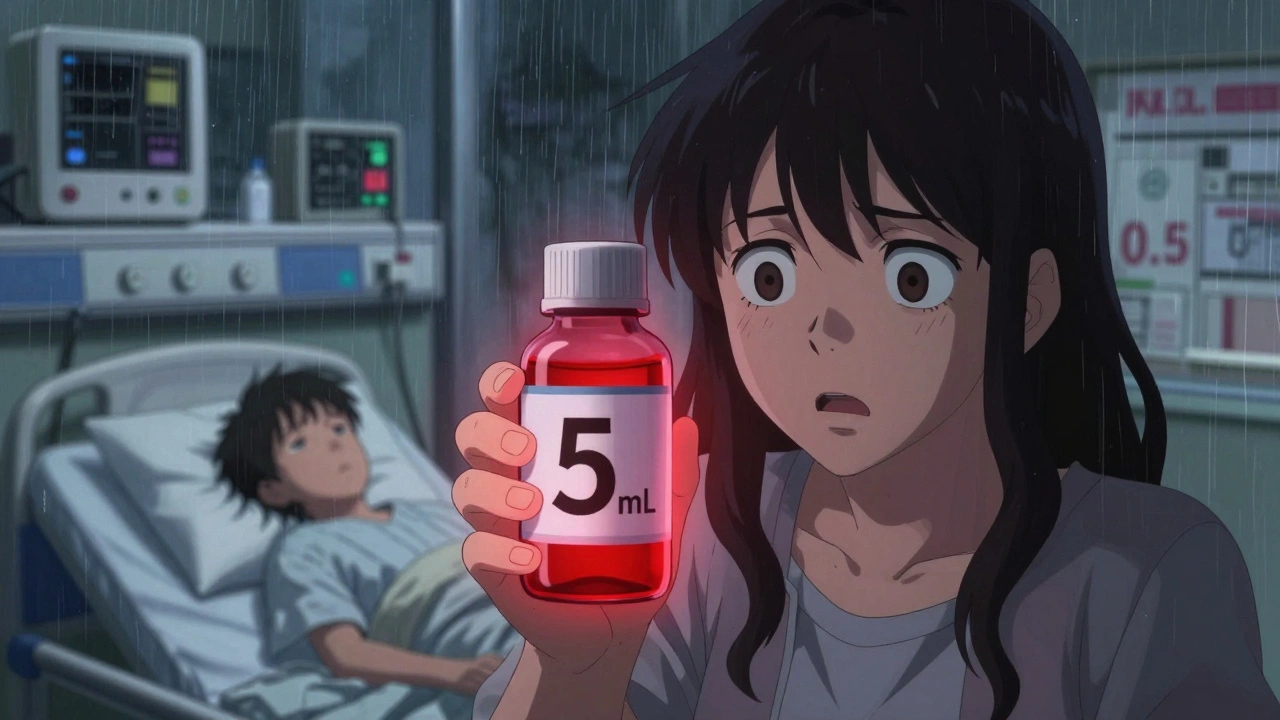
When you take a medication, even a small mistake in dosage can turn a helpful treatment into a dangerous one. dosage errors, mistakes in how much, when, or how a medication is taken. These aren’t just about forgetting a pill—they’re about taking too much acetaminophen because you didn’t realize your cold medicine had it too, or giving a child the wrong amount of liquid medicine because the syringe was misread. They happen to people of all ages, and they’re one of the most common reasons people end up in the emergency room.
acetaminophen overdose, the leading cause of acute liver failure in the U.S. isn’t always from intentional abuse. It’s often from stacking OTC painkillers—taking Tylenol for a headache, then NyQuil for a cold, then another Tylenol later—and not realizing you’ve hit the 4,000mg daily limit. renal dosing antibiotics, adjusting antibiotic doses for people with kidney disease is another area where errors are frequent. If your kidneys aren’t filtering properly, standard doses can build up to toxic levels. That’s why doctors need to check creatinine clearance, not just guess. And for seniors, high-risk medications seniors, drugs that increase fall risk, confusion, or dementia are often still prescribed without a full review. Medications like benzodiazepines, anticholinergics, or even certain painkillers can be quietly harming older adults who don’t realize their memory lapses or dizziness are drug-related.
Dosage errors aren’t just about pills and liquids. They’re about labels you don’t read, prescriptions you don’t double-check, and assumptions you make because "it’s always been this way." A child’s liquid medicine isn’t just "half the adult dose"—it’s calculated by weight. A tablet you split might not break evenly, changing the dose by 30%. A senior taking eight pills a day might be on something that cancels out their blood pressure med—like licorice root in tea. These aren’t rare cases. They’re everyday risks hidden in plain sight.
What you’ll find below isn’t theory. It’s real stories from people who got it wrong—and the science that shows how to get it right. From how to read an OTC Drug Facts label to why splitting a dose might help or hurt, these posts give you the tools to spot danger before it happens. No fluff. Just what you need to take your meds safely, every single time.