Strep Throat: Causes, Treatments, and What You Need to Know
When your throat hurts so bad you can barely swallow, and your fever spikes out of nowhere, it might be strep throat, a bacterial infection caused by group A Streptococcus that affects the throat and tonsils. Also known as streptococcal pharyngitis, it’s not just a bad cold—it’s something that needs the right kind of treatment, or it can lead to serious complications. Unlike viral sore throats that fade on their own, strep throat doesn’t improve without antibiotics. You won’t get better by just drinking tea and resting. You need a test—and then the right medicine.
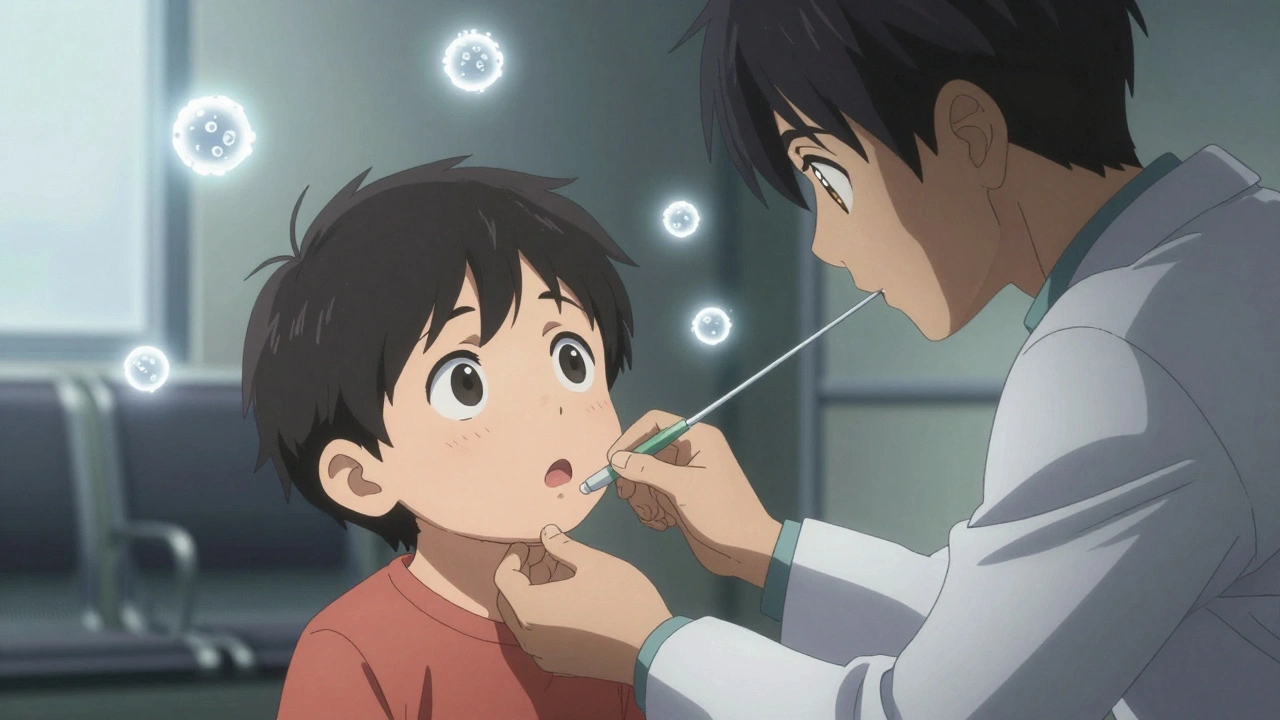
Doctors use a quick throat swab to confirm if it’s strep. If it is, they’ll usually prescribe antibiotics, medications like penicillin or amoxicillin that kill the bacteria causing the infection. Also known as antibacterial drugs, these aren’t optional here—they stop the spread, reduce symptoms faster, and prevent rare but dangerous issues like rheumatic fever or kidney damage. Skipping antibiotics because you feel okay after a day? That’s risky. The bacteria can stick around, even if symptoms fade. And you could pass it to others—strep spreads easily through coughs, sneezes, or sharing drinks.
Not every sore throat is strep. Most are viral—caused by colds or flu—and antibiotics won’t help those. That’s why testing matters. If you have white patches on your tonsils, no cough, swollen lymph nodes, and a fever over 101°F, it’s more likely strep. Kids and teens are most at risk, but adults get it too. And if you’ve had it before, you’re not immune—you can catch it again.
There’s no magic home fix. Gargling salt water helps with discomfort, but it won’t kill the bacteria. Honey and warm tea? They soothe, but they don’t cure. Only antibiotics do. And if you’ve been prescribed them, finish the full course—even if you feel fine after two days. Stopping early lets the toughest bacteria survive and come back stronger.
Some people wonder if natural remedies like garlic, echinacea, or essential oils work. There’s no solid proof they fight strep. In fact, relying on them instead of proven treatment can delay care. And if you’re allergic to penicillin? There are alternatives—azithromycin, clarithromycin, or clindamycin—but you still need a doctor’s order. You can’t just buy them over the counter.
Strep throat is common, but it’s not harmless. Left untreated, it can lead to abscesses, scarlet fever, or long-term heart problems. That’s why knowing the signs—and acting fast—is key. If you or your child has sudden, severe throat pain without a cough, get checked. Don’t wait. Don’t guess.
Below, you’ll find real, practical advice on how to avoid mistakes with medication, what to watch for when treating kids, how to spot dangerous side effects, and why verifying your prescription matters—even for something as common as strep throat. These aren’t general tips. They’re the kinds of details that keep you safe.