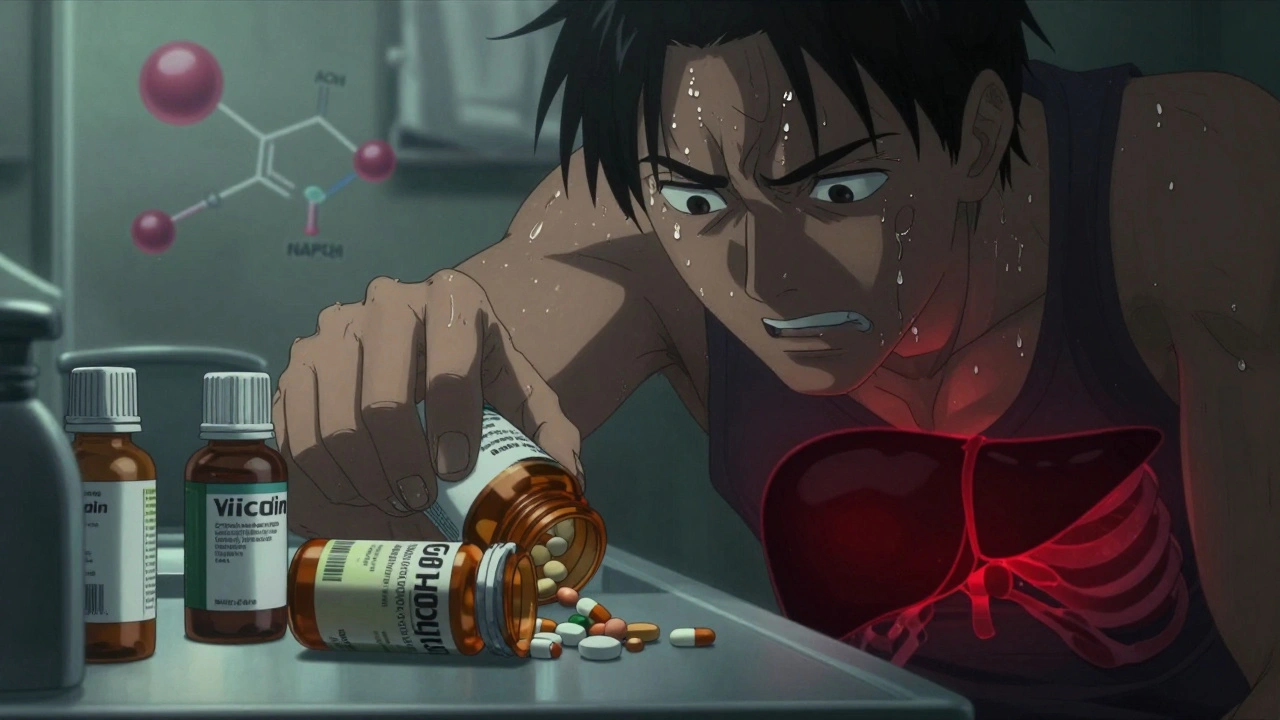
Tylenol Safety: What You Need to Know About Acetaminophen Risks and Safe Use
When you reach for Tylenol, a common over-the-counter pain reliever whose active ingredient is acetaminophen. Also known as paracetamol, it’s in more than 600 medicines—from cold pills to sleep aids to prescription painkillers. It’s not just a pill you grab without thinking. Acetaminophen is the leading cause of acute liver failure in the U.S., and most cases happen because people didn’t realize they were taking too much.
Here’s the problem: Tylenol doesn’t come alone. It hides in combination drugs like Vicodin, Percocet, Excedrin, and even nighttime cough syrups. You might take one for your headache, another for your stuffy nose, and a third to help you sleep—all containing acetaminophen. Add them up, and you’ve crossed the safe limit without ever swallowing a single extra tablet. The liver doesn’t warn you. No stomach pain. No dizziness. Just silent damage that builds over hours.
Safe dosing isn’t about how many pills you take—it’s about how much acetaminophen is in total. The maximum daily dose for most adults is 3,000 to 4,000 milligrams, but that’s not a free pass. If you drink alcohol regularly, have liver disease, or are older, your safe limit drops. And if you’re giving it to a child, weight matters more than age. Too much can turn a simple fever into a trip to the ER—or worse.
Knowing what’s in your medicine isn’t optional. Reading the Drug Facts label isn’t just good advice—it’s a survival habit. You don’t need to be a pharmacist to spot the danger. Look for "acetaminophen" or "APAP" on the list of active ingredients. If you see it twice, you’re doubling your dose. And if you’re unsure, ask your pharmacist. They see these mistakes every day.
There’s a reason so many posts here talk about OTC drug labels, liver injury, and hidden ingredients. Because Tylenol isn’t dangerous because it’s weak—it’s dangerous because it’s trusted. People think, "It’s just Tylenol," and they don’t check. But safety isn’t about brand names. It’s about numbers, timing, and knowing what else you’re taking. The posts below give you real examples: how one person overdosed on cold medicine, how a senior mixed painkillers and didn’t realize the risk, how a parent gave liquid and tablets thinking they were helping. You won’t find fluff here. Just facts, stories, and clear steps to protect yourself and your family.